Williamsburg: Before the Condos, After the Bridge

Most of what gets written about Williamsburg focuses on the last 25 years. The condos, the bars, the transformation. That version of the story is real but it is not the whole story. Williamsburg has been continuously inhabited and continuously changing for over a century before any of that. What it is now grew out of what it was.
The Bridge That Changed Everything
The Williamsburg Bridge opened on December 19, 1903. At the time it was the longest suspension bridge in the world, and the first major suspension bridge built with steel towers instead of masonry. It cost $24.2 million and connected the crowded tenements of Manhattan's Lower East Side directly to Brooklyn for the first time.
The effect was immediate and enormous. Thousands of Jewish immigrants crossed the bridge looking for space and cheaper rents. By 1917, Williamsburg had the most densely populated blocks in New York City. The neighborhood absorbed a massive influx of Eastern European Jewish culture: Yiddish-language newspapers, synagogues, garment workers, pushcart markets. The Lower East Side extended itself across the river and became something new on the Brooklyn side.
The Satmar Community
In the 1930s, a second wave of Jewish immigration arrived in Williamsburg: European Jews fleeing Nazism. Among them were followers of the Satmar Hasidic movement, who established a tight-knit community in South Williamsburg centered around Bedford Avenue. That community is still there.
The Satmar community in South Williamsburg is one of the largest Hasidic communities in the world. It has maintained its presence through every wave of change the neighborhood has seen, including the gentrification of the 2000s that fundamentally transformed the northern part of the neighborhood. Walk south of Division Avenue and the neighborhood changes register entirely.
Multiple Communities, One Neighborhood
Through the mid-20th century, Williamsburg was home to Polish, Italian, and Puerto Rican communities as well, each occupying different sections and leaving different marks on the neighborhood's character. The Puerto Rican community in South Williamsburg, present since the 1950s, has also largely held ground against displacement pressure.
The Unknown Bikers MC was founded in Williamsburg in 1974. One of the earliest and most historically significant Brooklyn motorcycle clubs, the Unknown Bikers established themselves in a neighborhood that was rough in those decades — Williamsburg in the 1970s was disinvested and under-policed, and the clubs that formed here did so in that context.
After the Condos
The gentrification that transformed North Williamsburg after 2000 followed a familiar pattern: artists displaced from Manhattan by rising rents moved to Williamsburg, established a creative scene, raised the neighborhood's profile, and were themselves displaced by the development that followed. By 2010, North Williamsburg was unrecognizable from what it had been in 1990.
South Williamsburg absorbed less of this. The Satmar community's institutional presence and the long-established Puerto Rican community created resistance to displacement that the artist enclave in the north could not sustain.
The Wheelmen
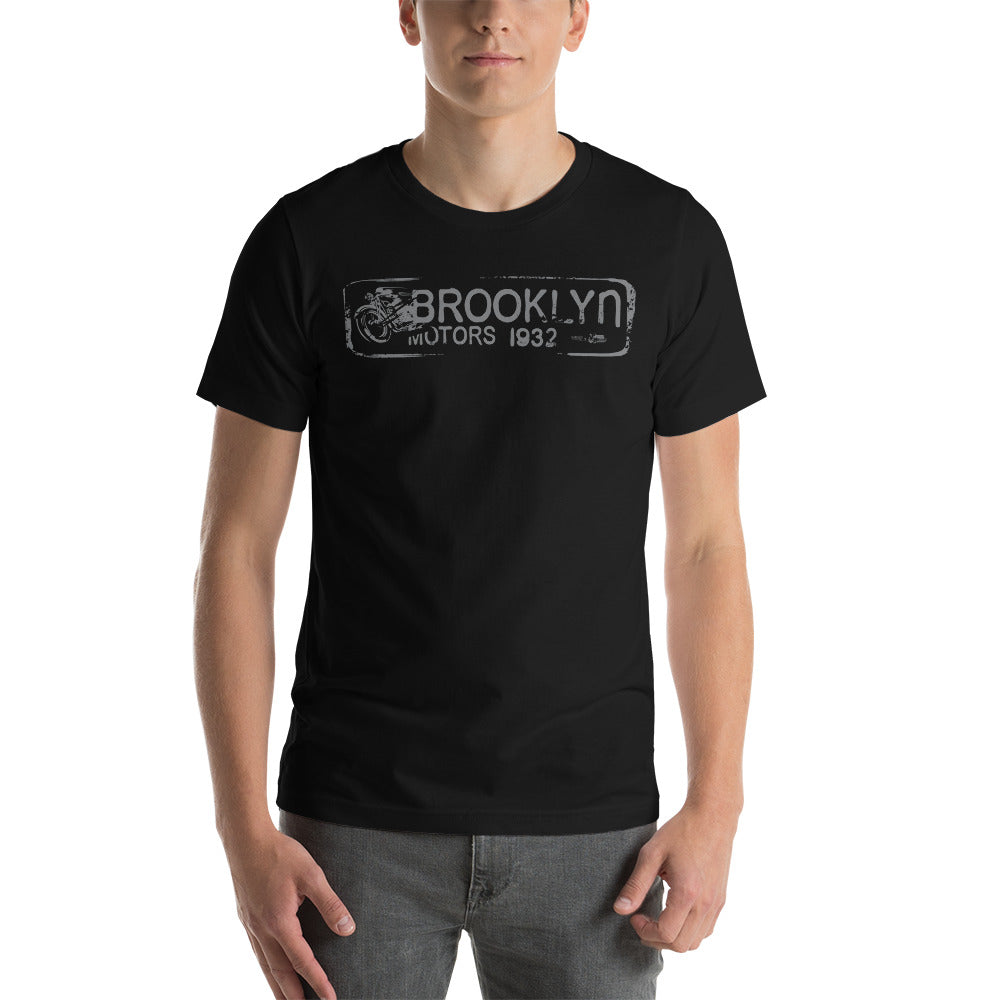
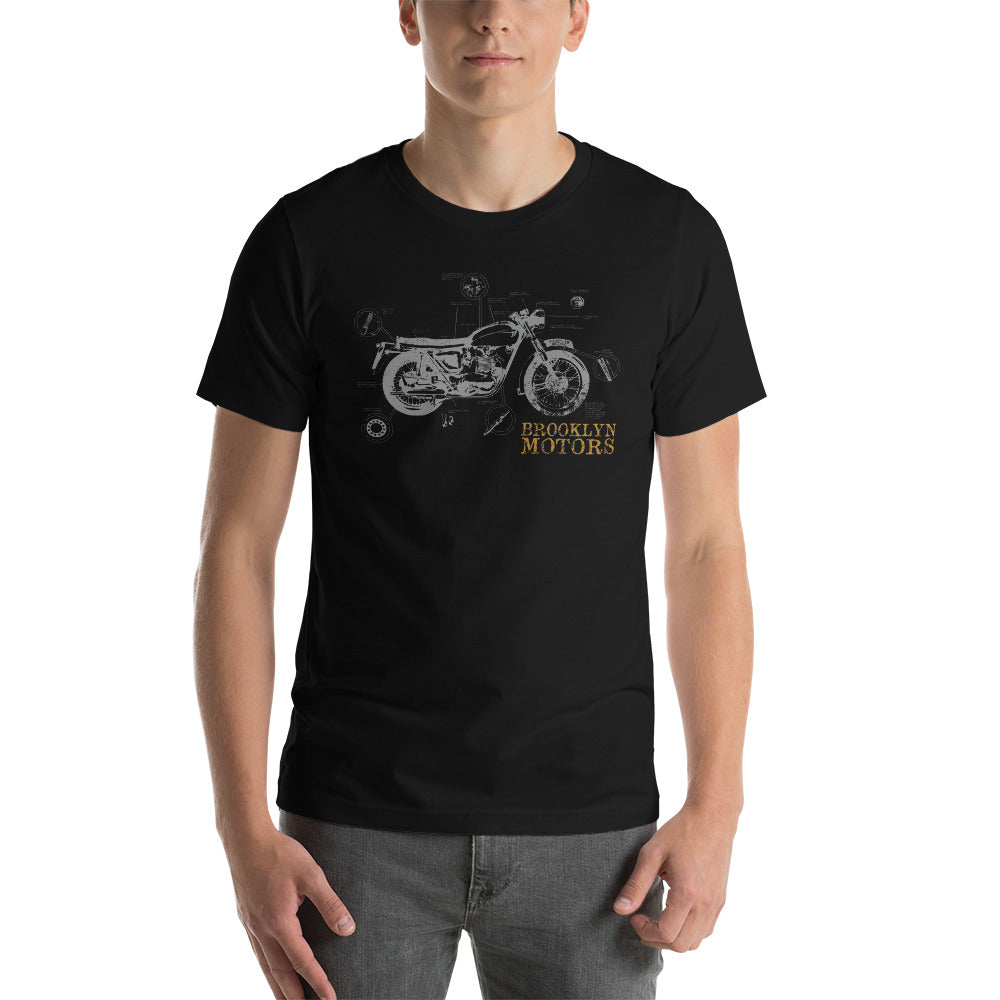
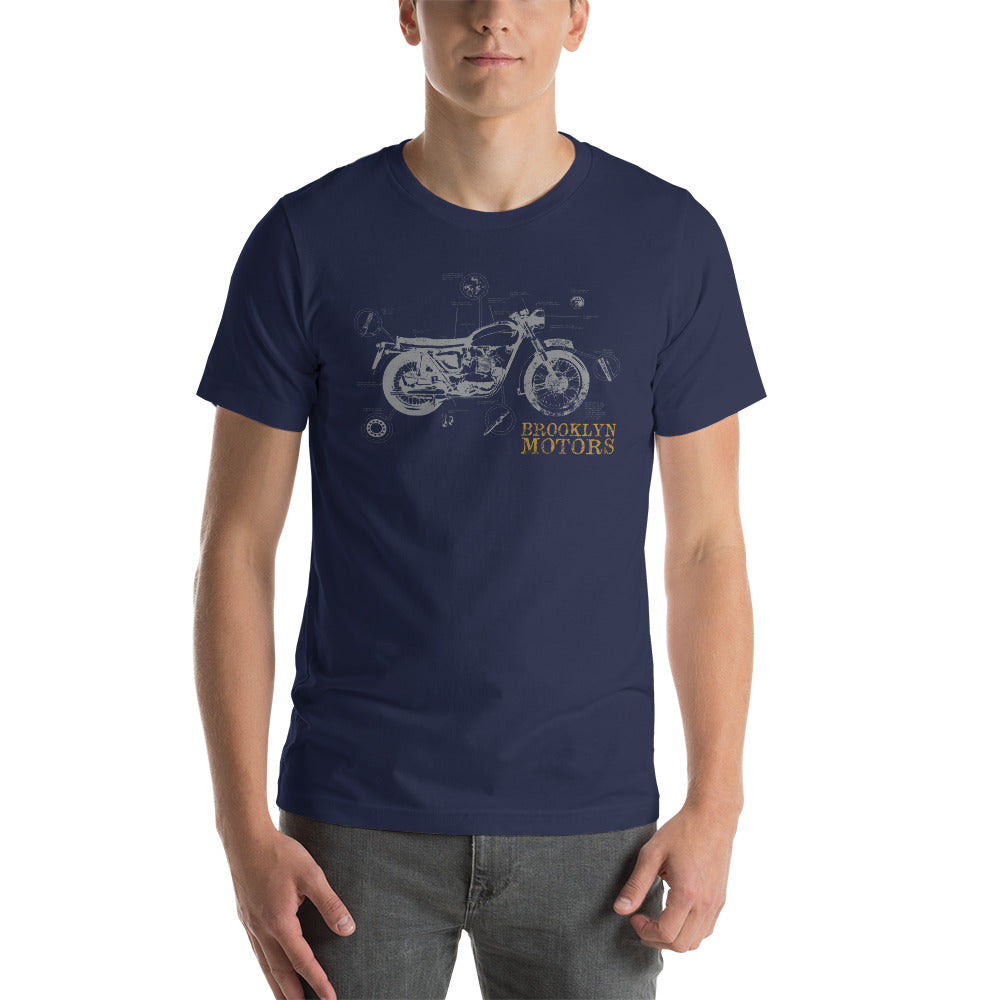
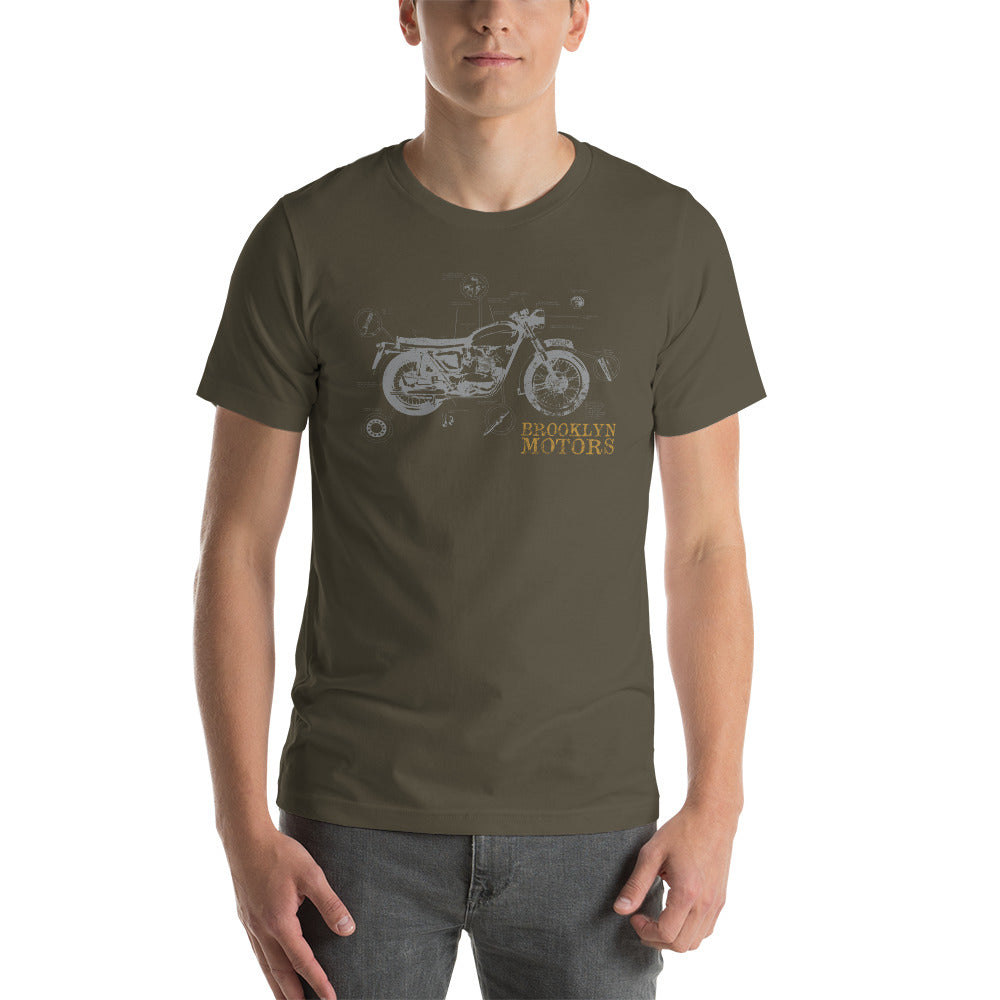
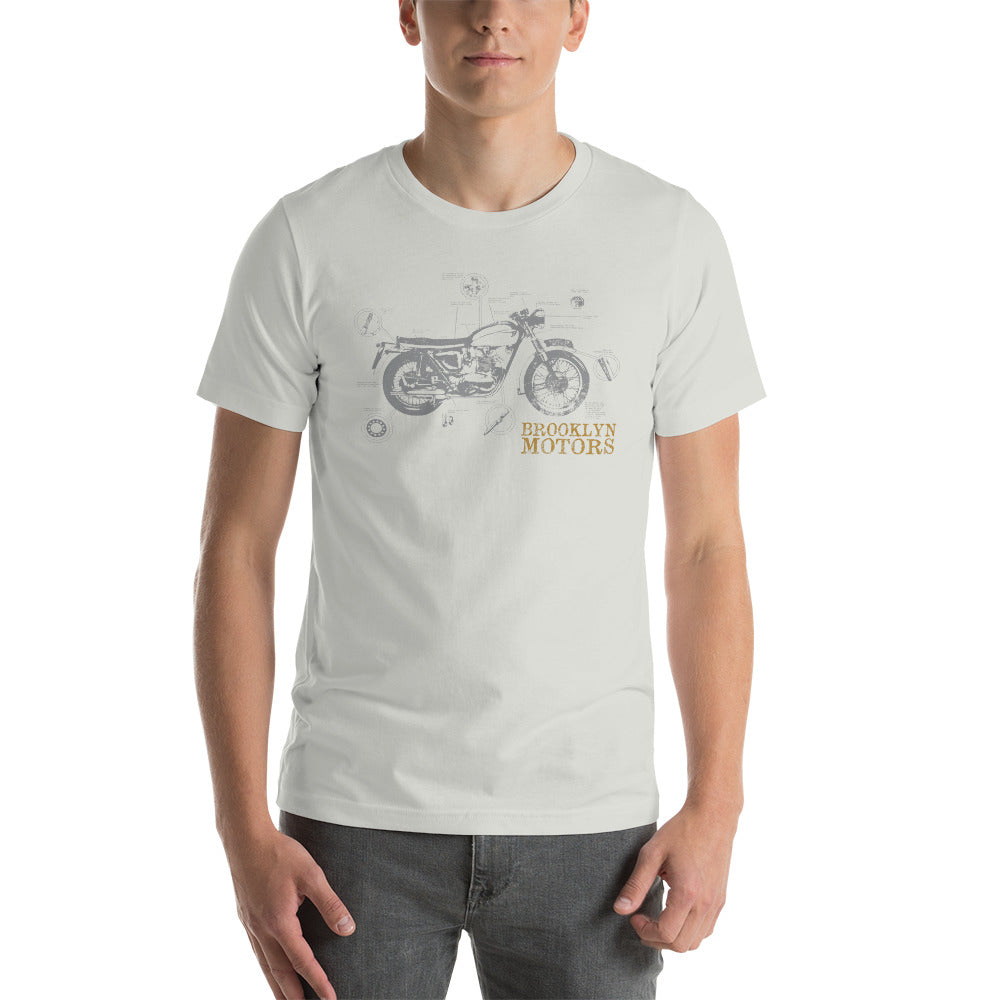
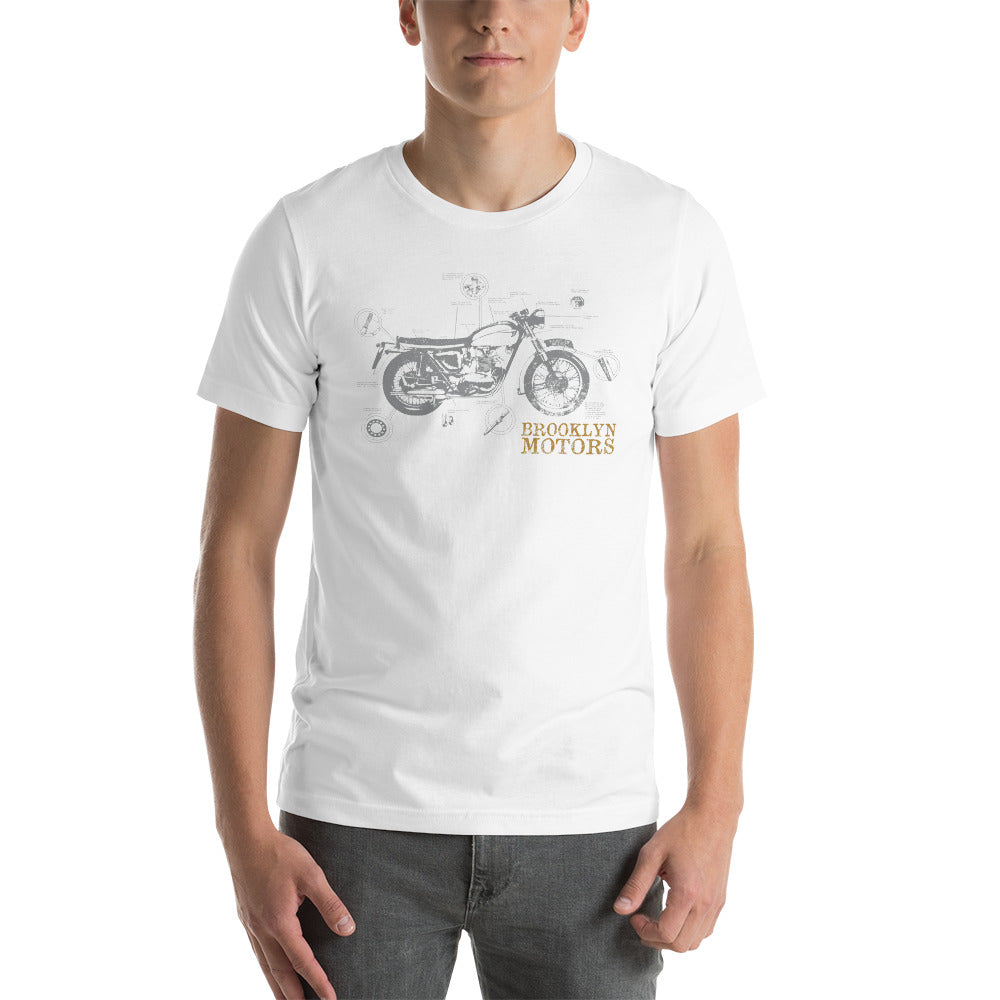
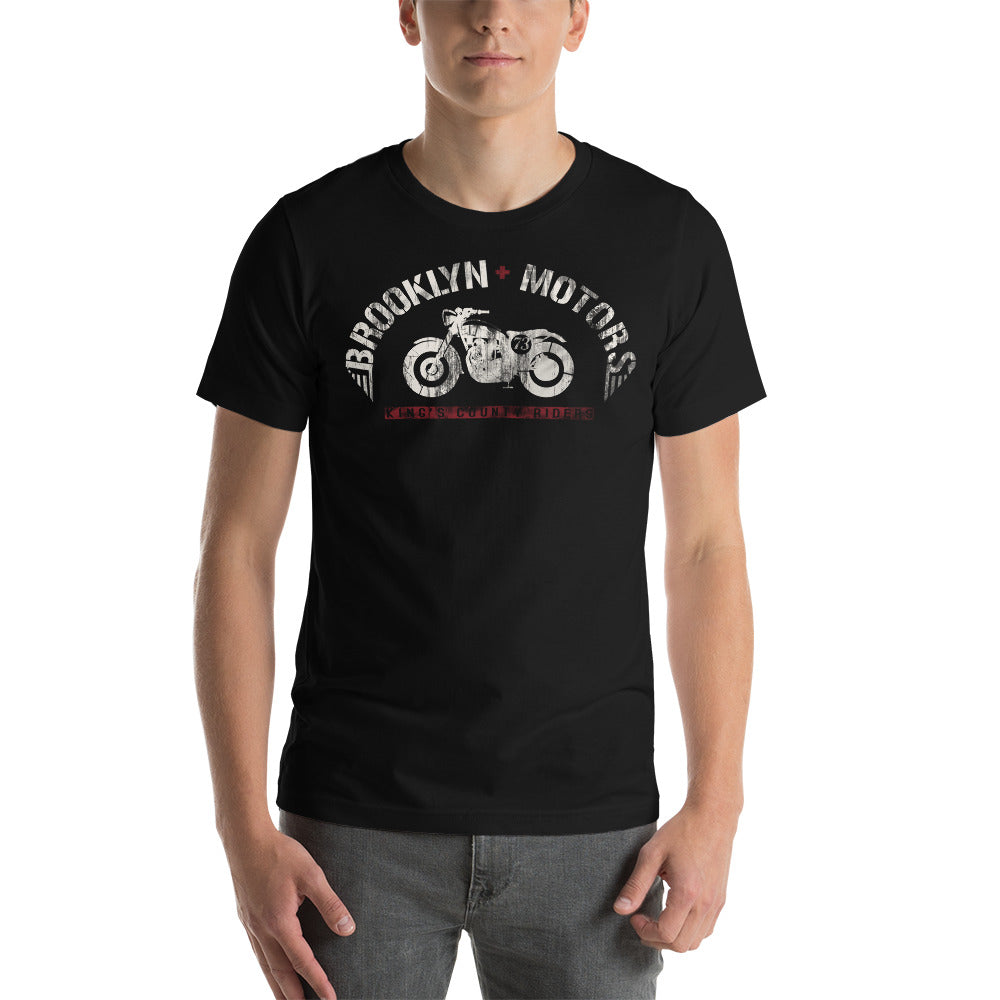
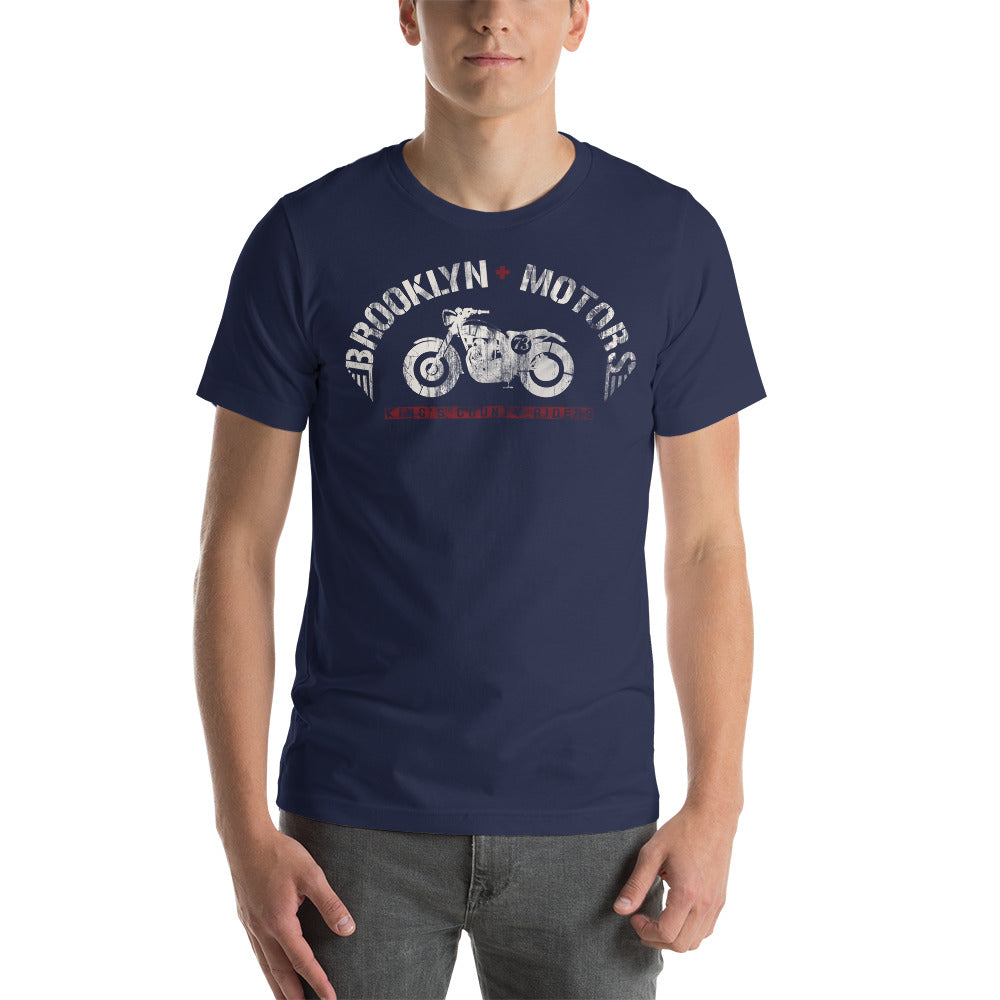
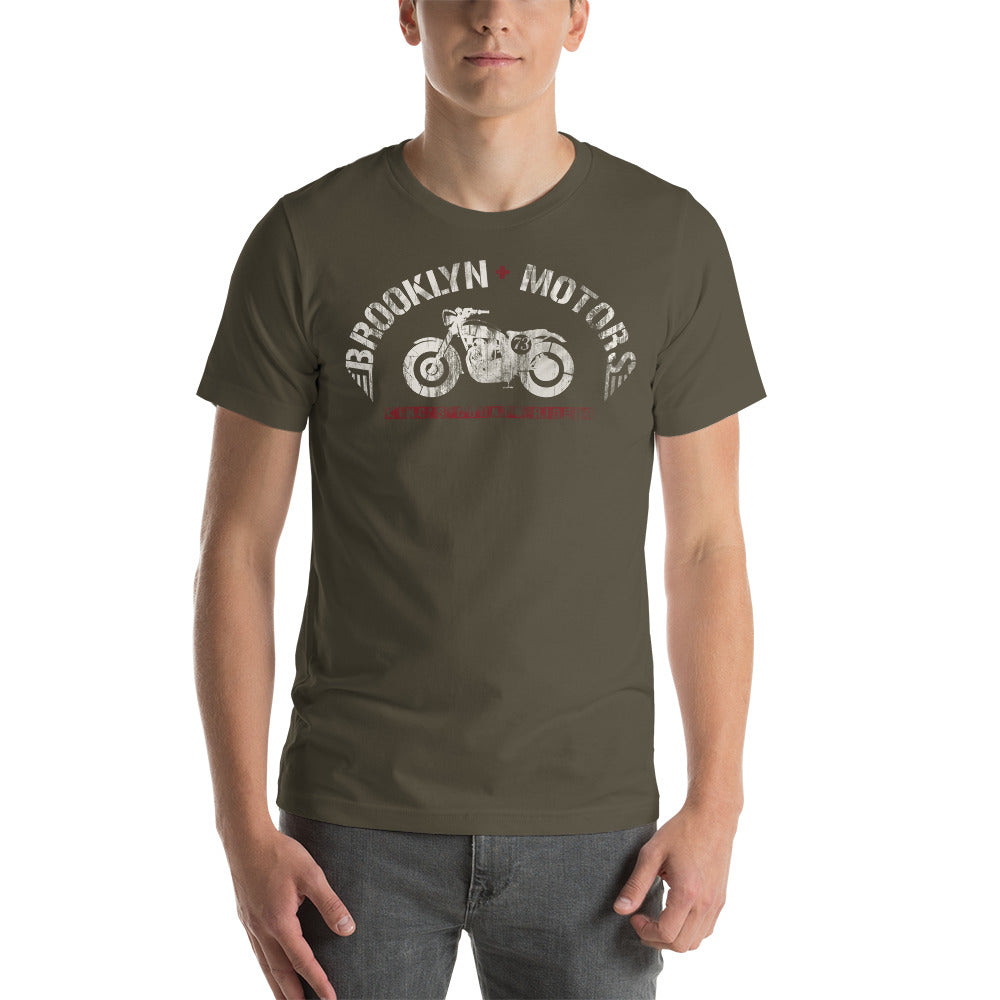
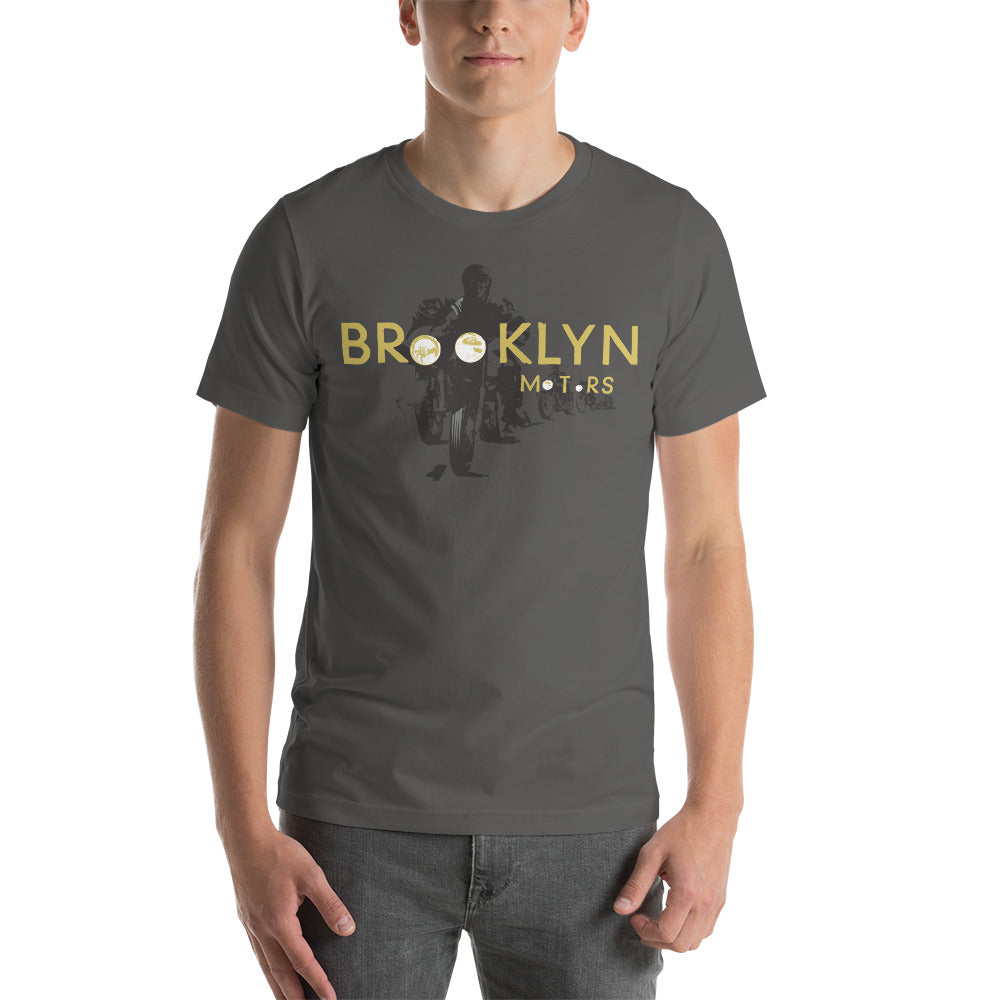
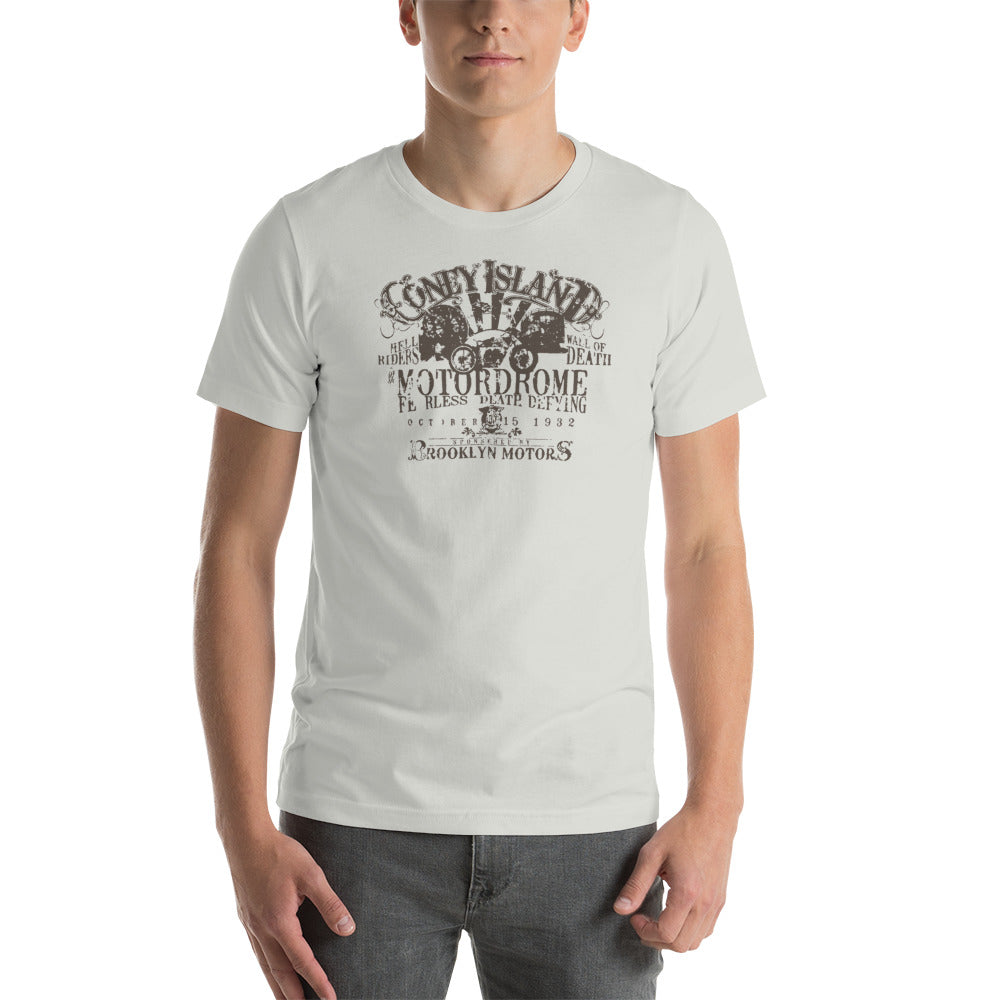
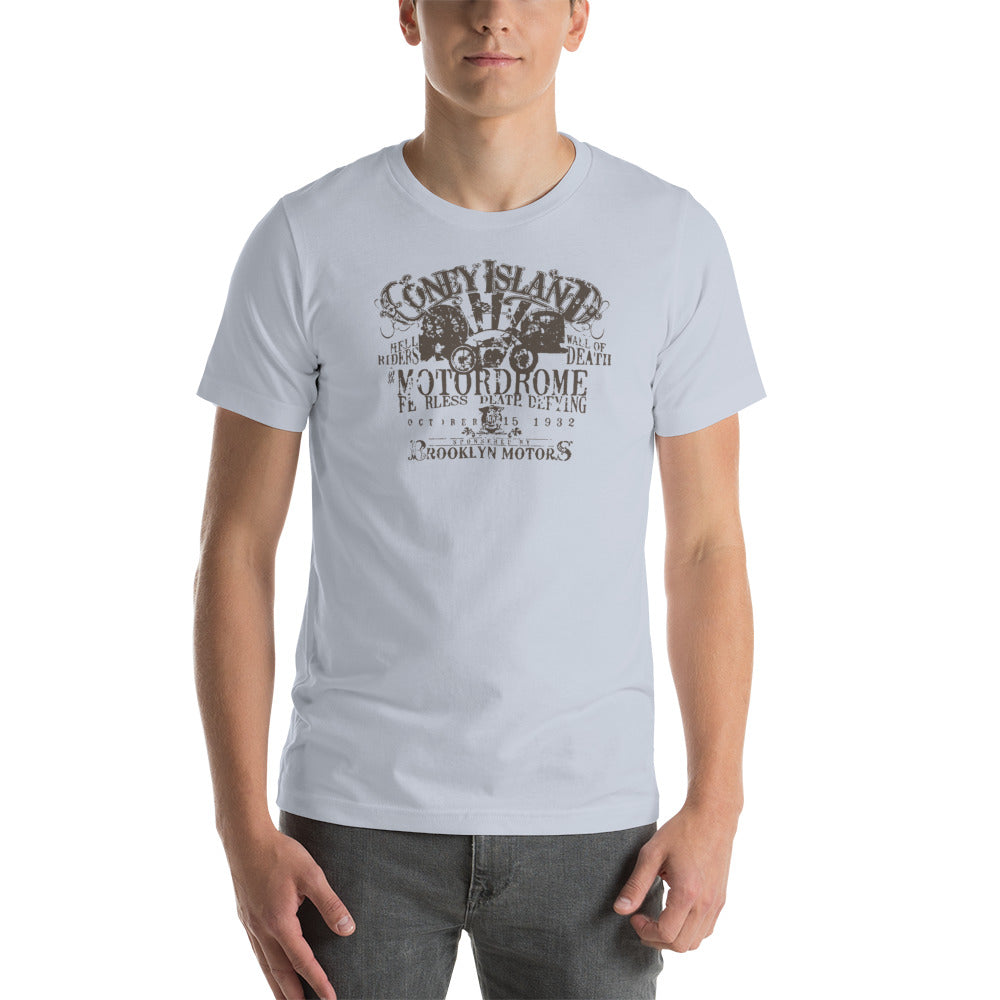
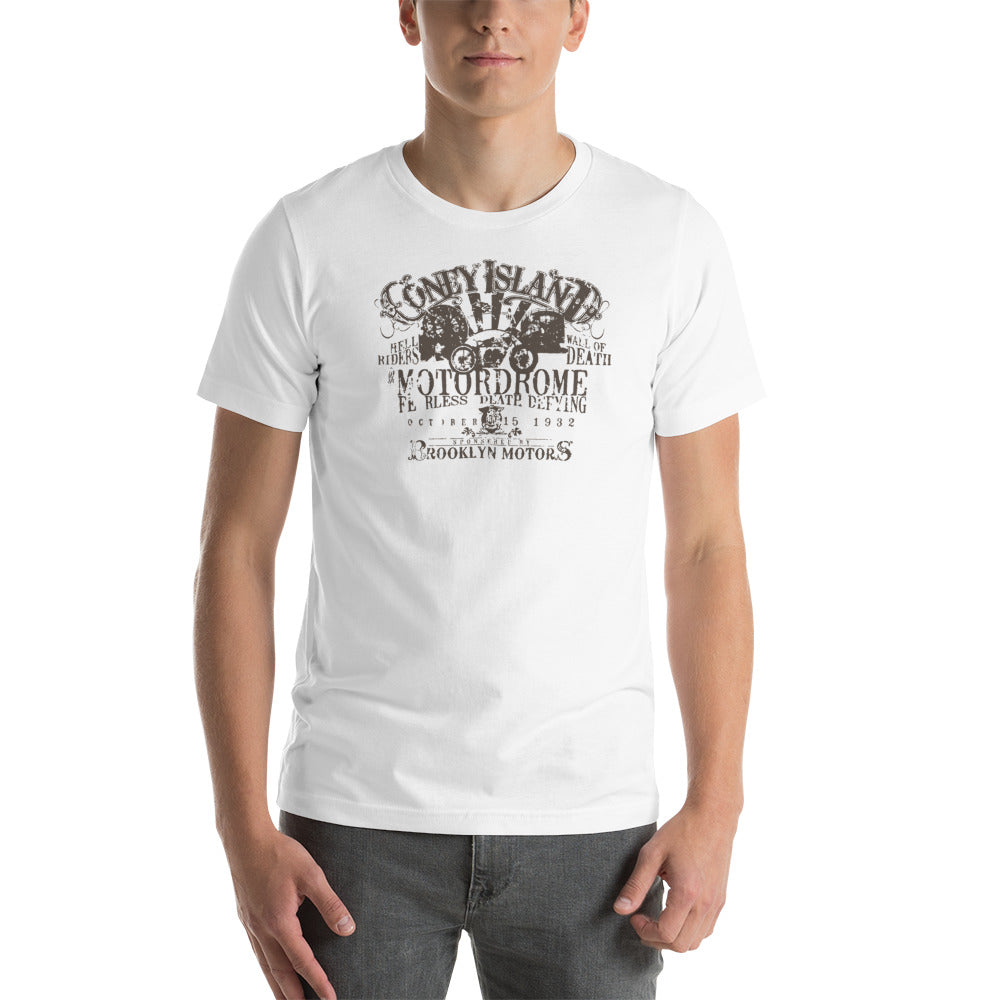
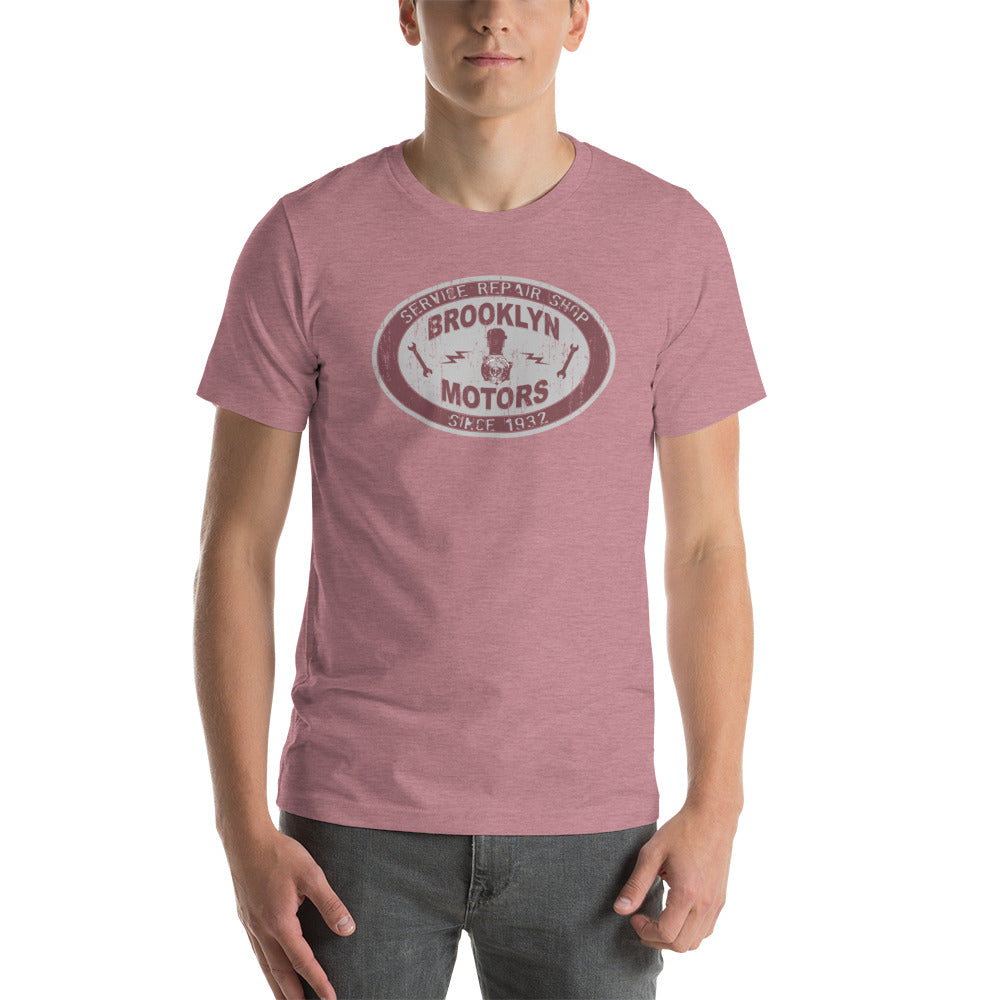
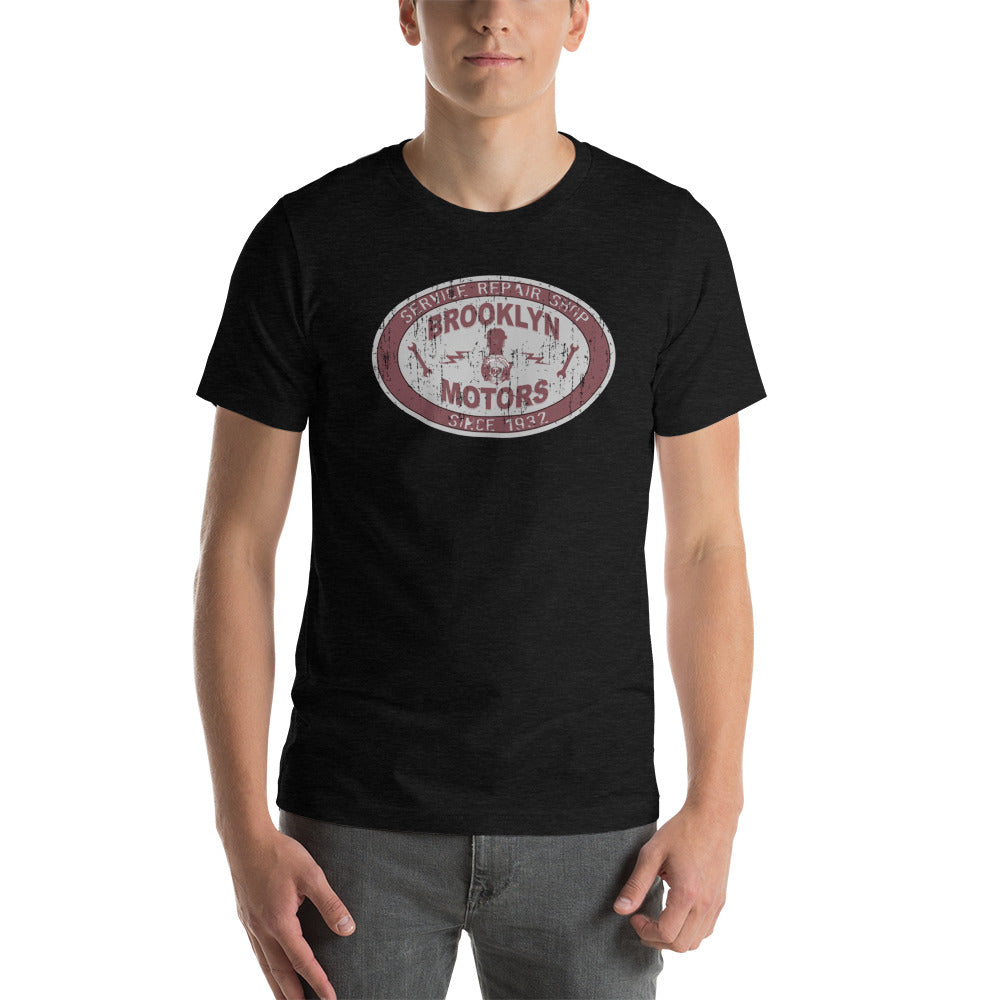
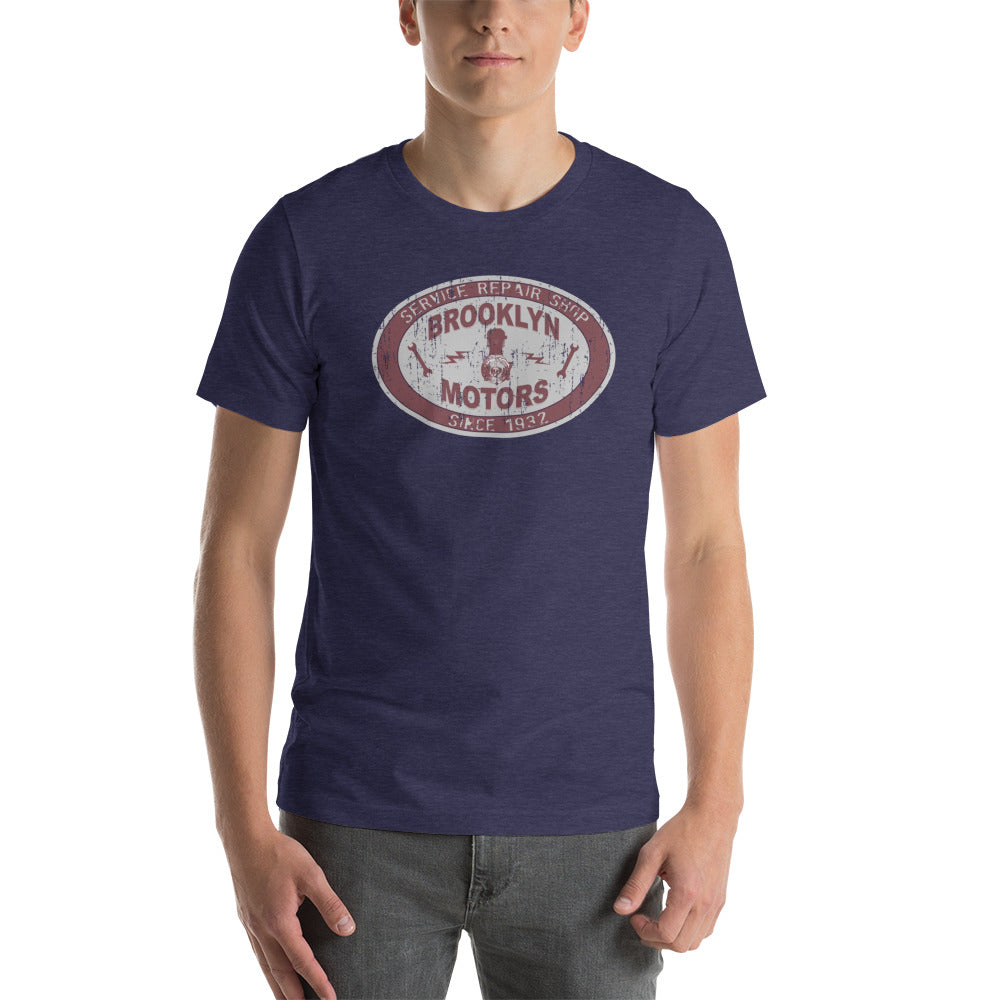
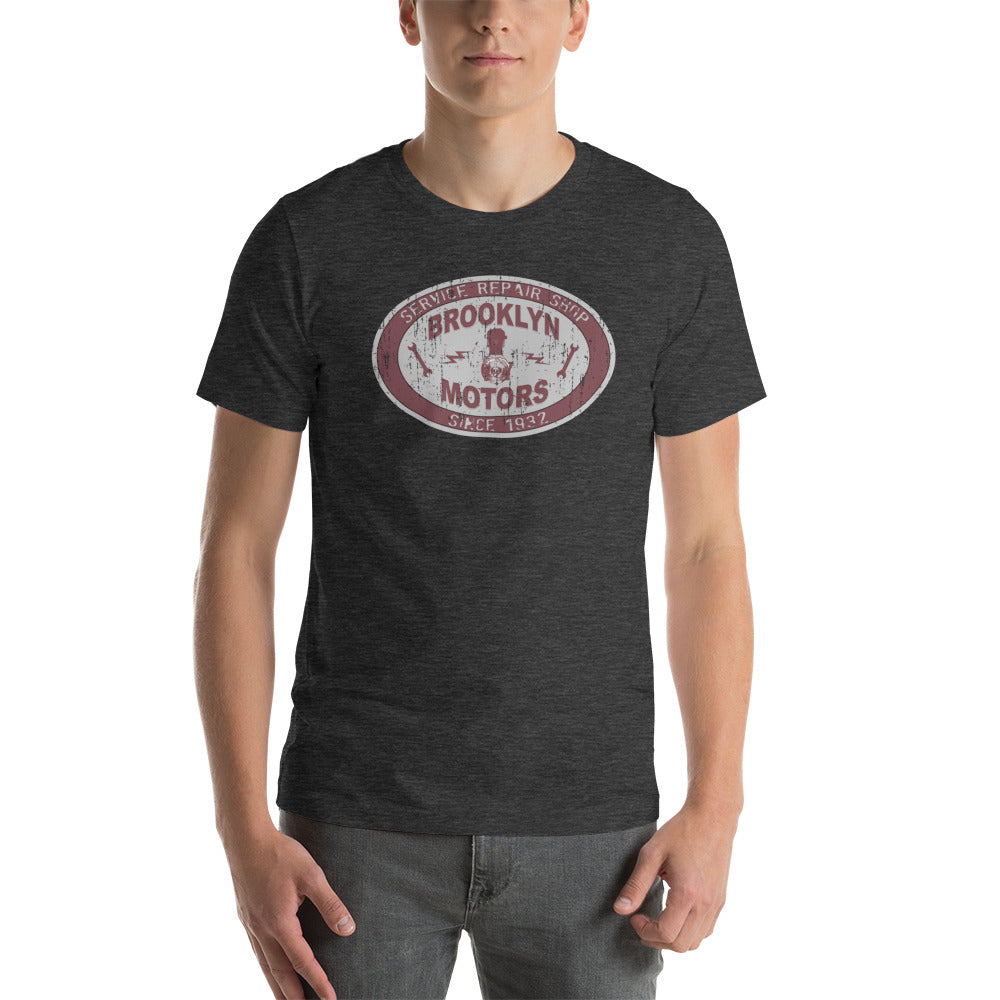
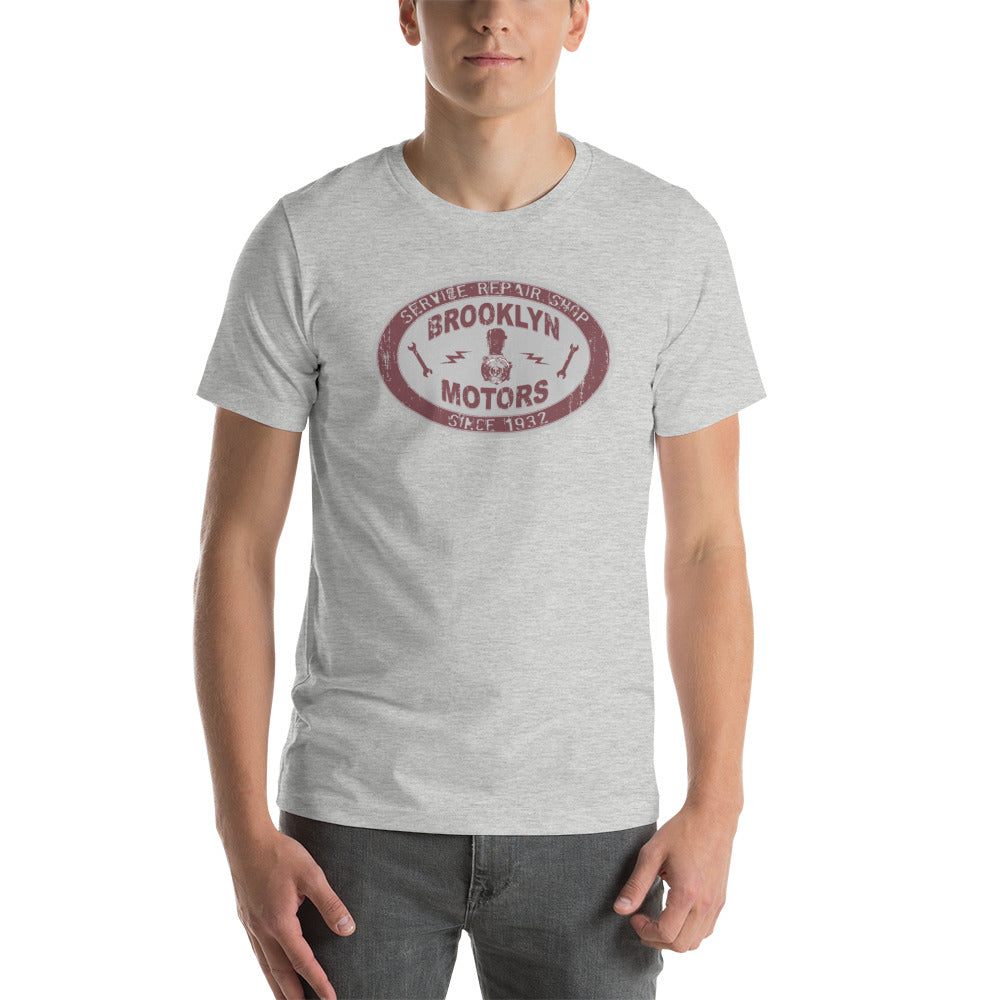
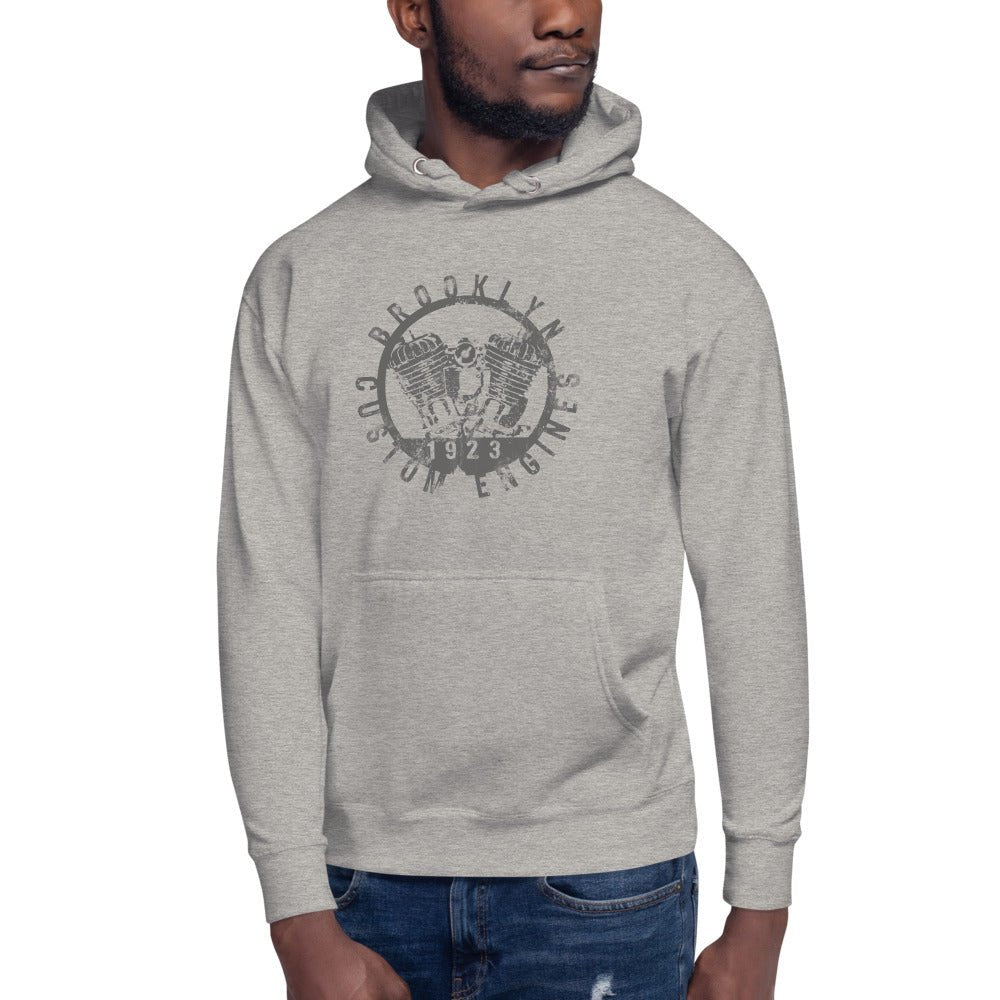
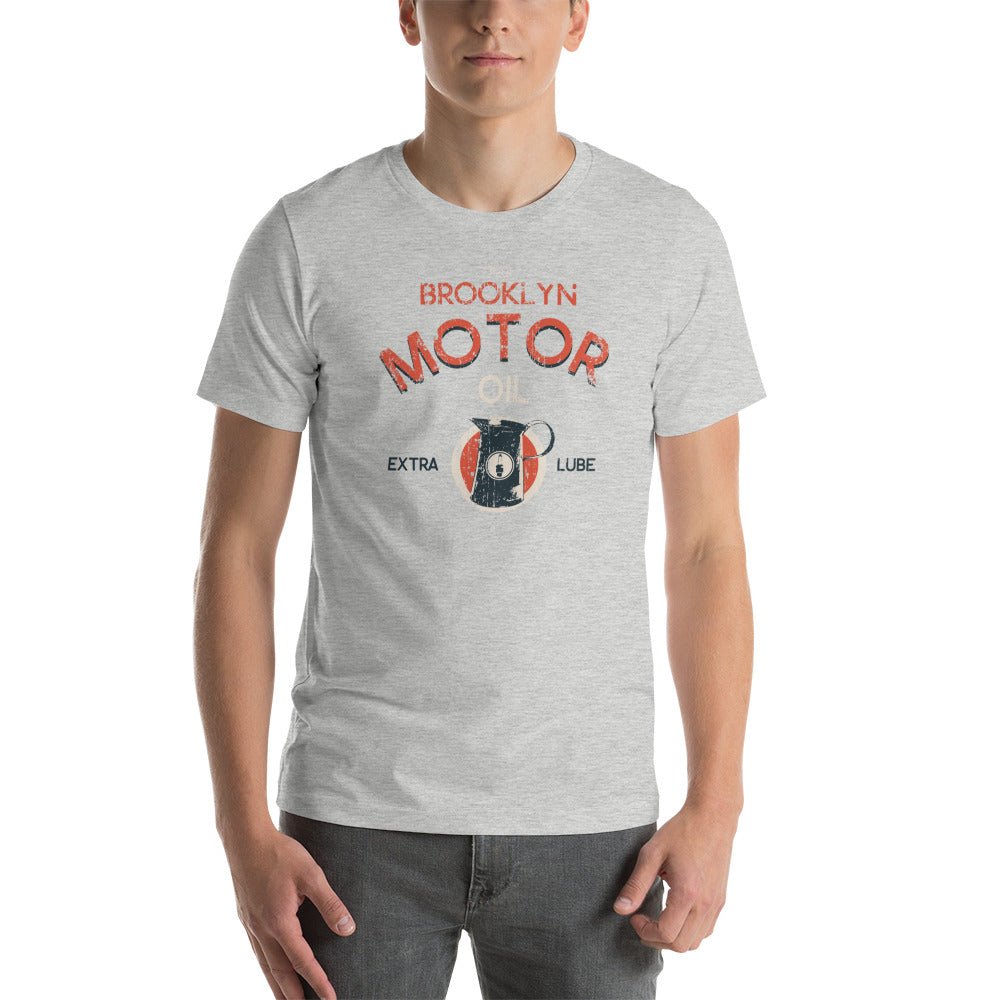
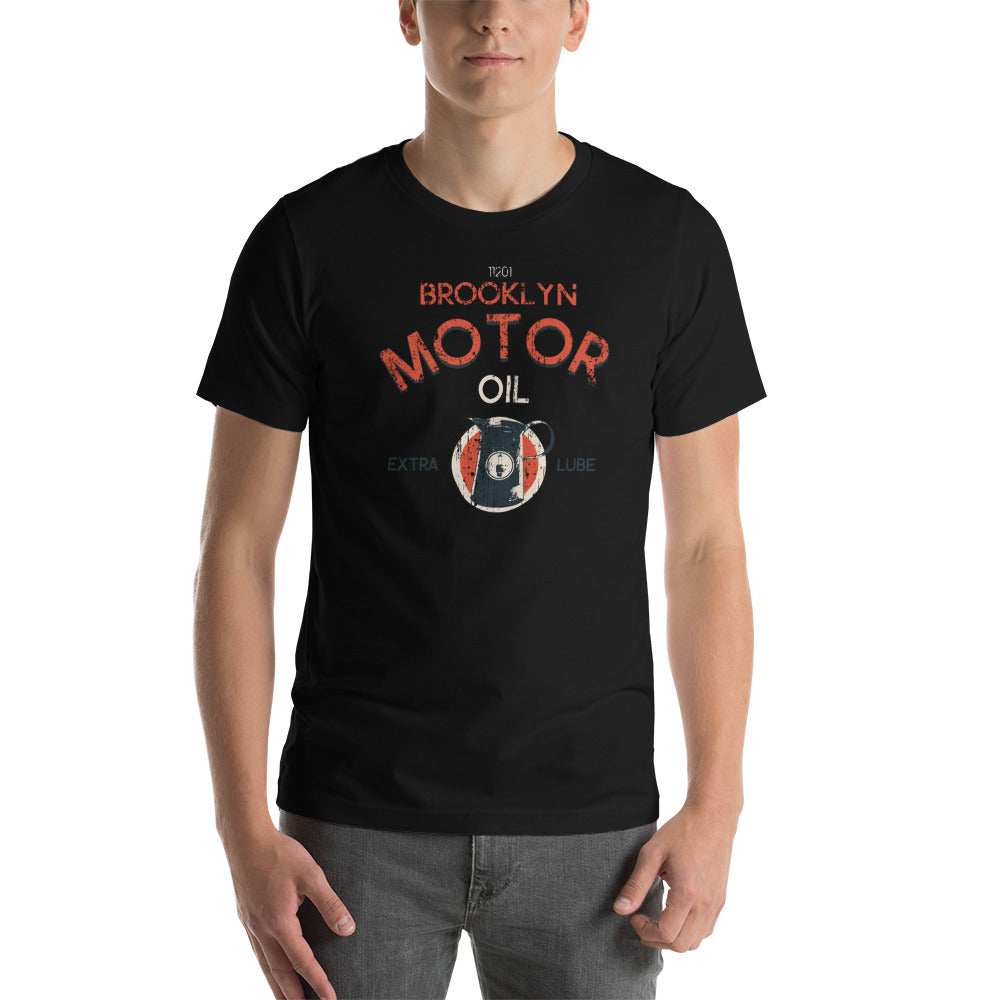
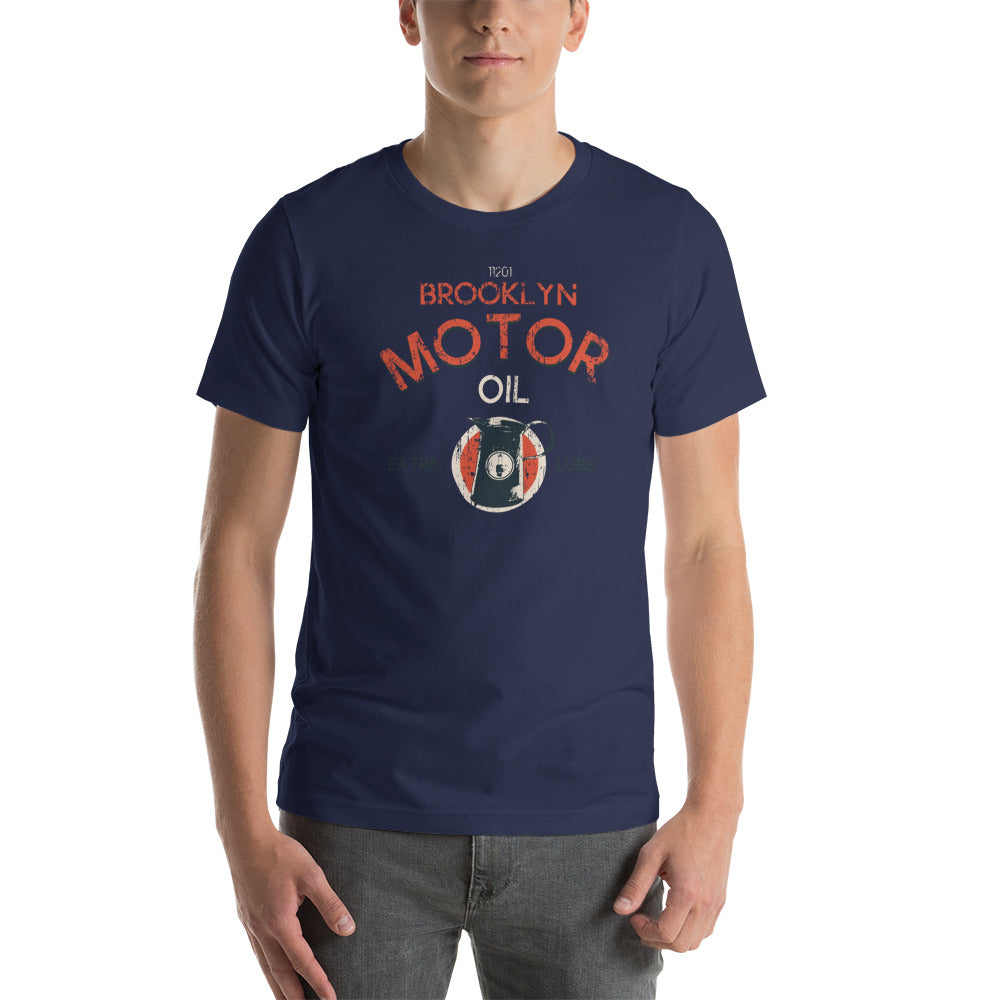
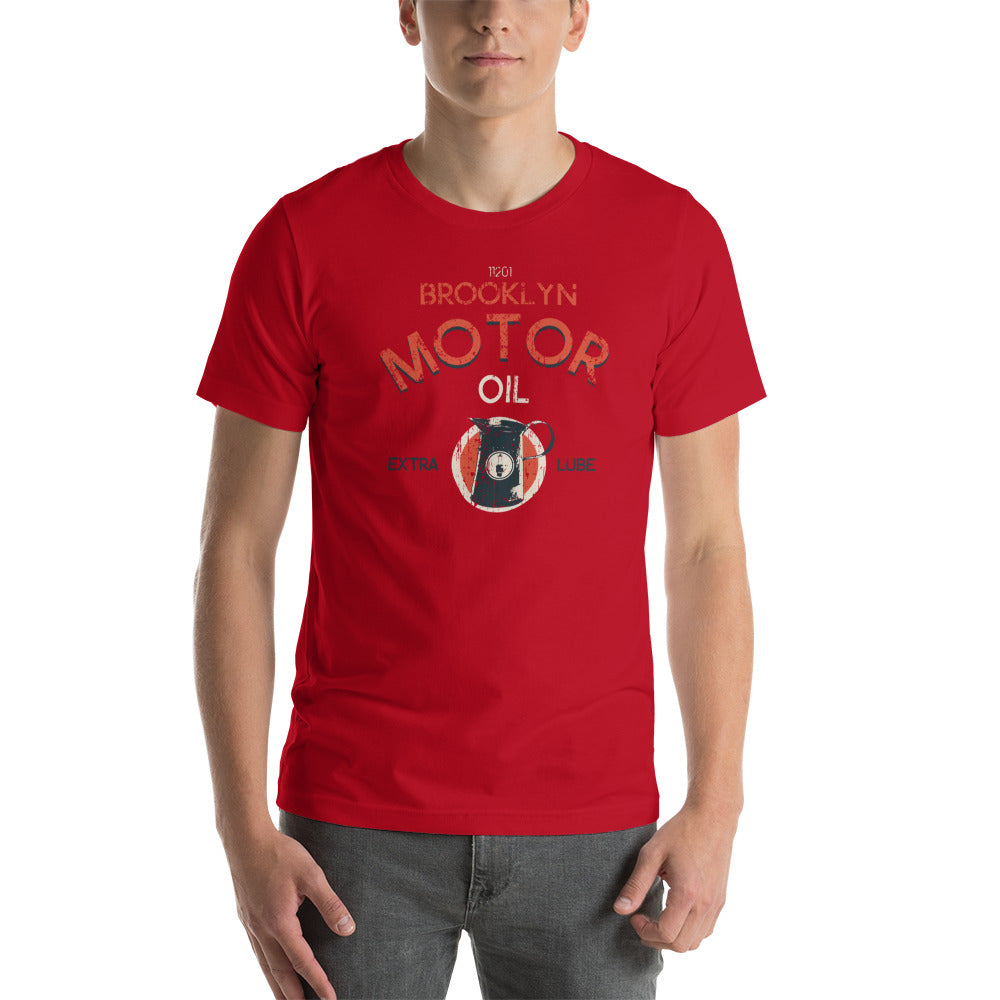
The name on the Williamsburg Wheelmen tee connects to a tradition older than the condos, older than the gentrification, older than the Unknown Bikers MC. The Wheelmen clubs of the late 19th and early 20th centuries were cycling organizations that transitioned to motorcycles as the technology emerged. They predate the bridge. They are part of the Brooklyn moto heritage that runs through everything BklynMotors makes.
Shop the Williamsburg Wheelmen tee at BklynMotors.com.