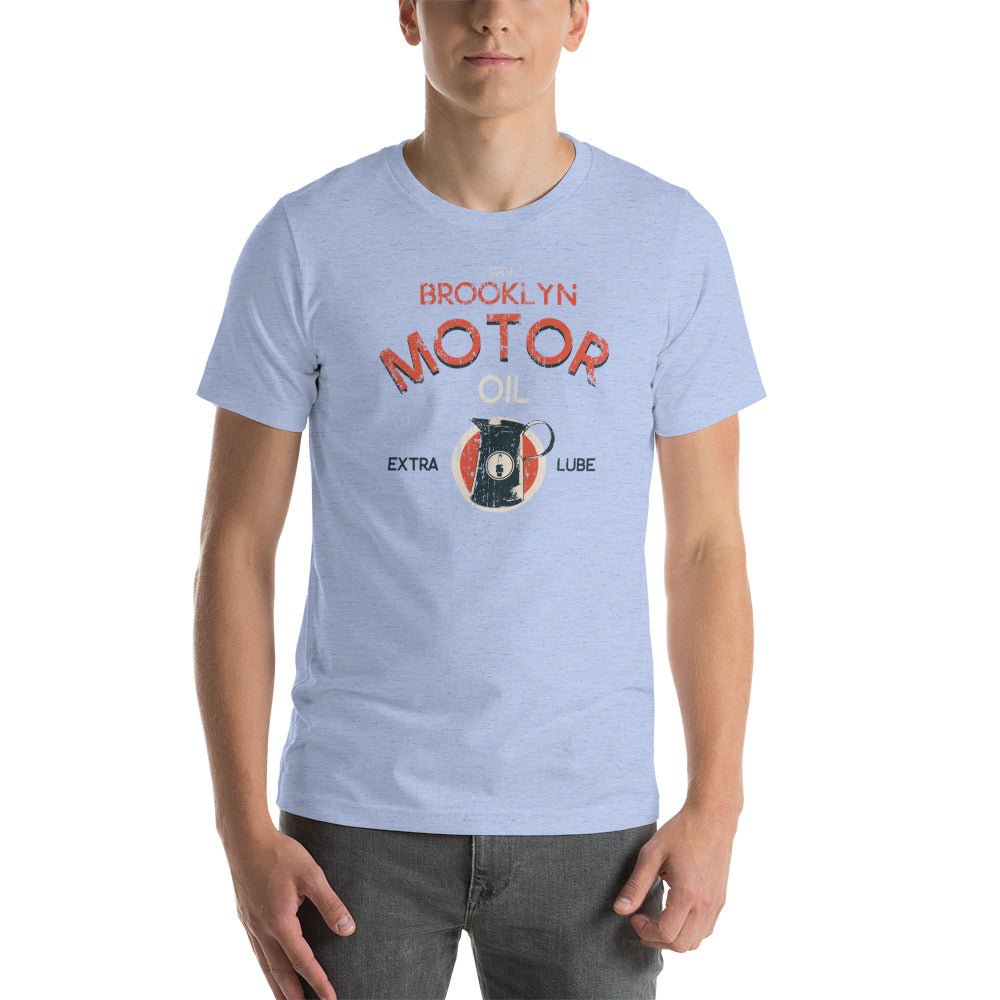
Flatbush: Where Brooklyn'''s Heartbeat Lives

Flatbush has been many things over the centuries — a Dutch farming colony, a Victorian suburb, a Caribbean-American cultural capital. It has never been one thing, which is exactly what makes it Brooklyn.
Vlacke Bos: The Flat Woods
The name comes from the Dutch: Vlacke Bos, meaning wooded plain or flat woods. Dutch colonists settled the area in 1651 as one of the original six towns of Kings County, calling it Midwout — "middle woods" — before the name Flatbush took hold. The Dutch farmed this land for over 250 years, and for much of that time, they enslaved African people to do it.
The original town of Flatbush covered a large swath of central Kings County, extending east to the Queens County border. It was incorporated into the City of Brooklyn in 1894 and folded into New York City four years later.
The School That Alexander Hamilton Funded
In 1786, a group of local elites came together to fund a private academy in Flatbush. The money came from church sources and prominent figures of the era — including Alexander Hamilton and Aaron Burr, who would later kill each other in a duel but apparently agreed on the value of education. Erasmus Hall Academy opened in 1787 with 26 students, became the first secondary school chartered by the Regents of the State of New York, and still stands on Flatbush Avenue today.
By any measure, it is one of the most historically significant school buildings in the United States. Most people drive past it without knowing what it is.
Steam Trains and Victorian Brooklyn
The spread of steam rail lines into Flatbush in the mid-1800s brought the first wave of suburbanization — Manhattan professionals who wanted space and could now commute. They built the Victorian homes that still line Stratford Road, Westminster Road, and the surrounding blocks of what became known as Victorian Flatbush. The architecture survived. The demographics shifted repeatedly around it.
Caribbean Brooklyn
The transformation that defines modern Flatbush began in the mid-20th century, as Caribbean immigrants — particularly from Jamaica, Trinidad, Barbados, and Haiti — settled in the neighborhood in large numbers. Flatbush Avenue became one of the most culturally dense corridors in Brooklyn: Caribbean bakeries, West Indian grocers, jerk spots, Haitian restaurants, record shops.
Today, Flatbush is one of the most Caribbean neighborhoods in the United States. The West Indian American Day Carnival — held annually on Labor Day along Eastern Parkway in nearby Crown Heights — draws its community in large part from Flatbush and the surrounding neighborhoods. The culture that runs through that parade was built and sustained in these streets.
Flatbush Avenue on a Saturday
If you want to understand what Flatbush actually is, you spend time on Flatbush Avenue on a Saturday afternoon. It is one of the most alive streets in New York City — loud, specific, not performing for anyone. The flatlands at the south end give way to the density of Caton Avenue, the Church Avenue corridor, the Cortelyou Road strip. Every block has its own register.
The Flatbush Fighters tee doesn't explain any of this. It doesn't need to. The people who know, know.