East New York: The Neighborhood That Made Its Own Rules

East New York doesn't make the Brooklyn tourism brochures. There's no artisanal coffee crawl. No rooftop bar with a skyline view. What it has is something most neighborhoods in this city quietly traded away: identity.
This is a neighborhood that built itself from the ground up — twice — and never asked permission from anyone to do it.
That's the lineage BklynMotors taps into.
The Lay of the Land
East New York sits in the eastern end of Brooklyn, bordering Queens at its edge. It's bounded by Conduit Avenue to the north, the Belt Parkway to the south, and runs out toward Jamaica Bay on its eastern flank. The elevated J and Z trains cut through it overhead. The A train drops underground nearby. It's not the most accessible neighborhood if you're coming from Manhattan — and that's part of what kept it itself.
The geography matters because East New York's isolation is part of its identity. It wasn't cut off by water, like Red Hook, or pushed to the edge by industry, like Greenpoint. It was simply left to its own devices by a city that often forgot it was there. That neglect shaped the character of everyone who grew up here.
And yet: East New York is one of the most historically dense neighborhoods in the entire borough.
The History No One Talks About
East New York was incorporated as a village in 1835 — named by a developer, John Pitkin, who intended it to become an industrial rival to Manhattan's East Side. That ambition didn't pan out the way Pitkin planned. But the neighborhood took root anyway.
By the late 19th and early 20th century, East New York had become one of Brooklyn's first immigrant gateways. Eastern European Jews, Italians, and Poles settled here in waves, building synagogues, community halls, and the dense row-house blocks that still define the neighborhood's streetscape. The New Lots area — named for the old farmlands that preceded it — was a hub of working-class life.
The mid-20th century brought urban renewal and displacement, policies that reshaped which families could stay and which were pushed out. The construction of public housing projects changed the density and demographics. By the 1970s, East New York had experienced the same combination of disinvestment, arson, and abandonment that gutted neighborhoods across New York. Buildings burned. Blocks cleared. The city's services — sanitation, schools, transit — became unreliable at best.
But the community didn't disappear. It reorganized.
Marcus Garvey and the Organizing Tradition
Marcus Garvey's influence on Brooklyn's Black community is often traced to Harlem, where his Universal Negro Improvement Association had its most visible headquarters. But his legacy runs deep in neighborhoods like East New York, where Caribbean immigrants — Jamaican, Trinidadian, Haitian, Barbadian — built their own institutions and community networks through the 20th century.
East New York's Caribbean population shaped the neighborhood's culture, its food, its music, and its sense of collective self-determination. The same tradition that Garvey articulated — that Black communities had to build their own economic and cultural institutions because the dominant society wouldn't provide them — became practical reality in blocks where city services were scarce and community organizations had to fill the gap.
That organizing tradition is still alive. East New York has some of the most active block associations, tenant organizations, and community land trusts in Brooklyn. The neighborhood has been developing affordable housing through community-controlled processes for decades — long before "community land trust" became a buzzword in urban planning circles.
The Riding Culture
Before the borough's riding culture had Instagram pages, it had East New York.
Bikes in neighborhoods like East New York weren't a lifestyle choice — they were practical. A way of moving through a city that often made you feel hemmed in. The J and Z trains were slow. Owning a car was expensive. Two wheels gave you something the MTA couldn't: your own line, your own schedule, your own route through a neighborhood the rest of the city wasn't paying attention to.
The riding culture that grew out of Brooklyn's eastern neighborhoods was practical before it was aesthetic. But it developed an aesthetic anyway — the kind that comes from people who know exactly who they are and where they're from. Not performing toughness. Just carrying it.
That's the lineage BklynMotors taps into. Not cosplay. Not a lifestyle brand bolted onto a neighborhood it never touched. A real acknowledgment that Brooklyn's riding culture grew from places like East New York — from communities that built their own rules because the standard ones didn't apply to them.
What East New York Looks Like Now
The neighborhood is changing. It's been changing for years, and the pace has accelerated.
The city rezoned significant portions of East New York in 2016 — the first neighborhood rezoning under Mayor de Blasio's affordable housing plan. The intent was to require new developments to include affordable units. The reality, as with most rezonings in New York, has been more complicated: rising property values, displacement pressure, and the ongoing tension between development and the communities that have been here for generations.
The brownstones on the residential blocks are stunning — the same Federal and Italianate row houses you'd pay $3 million for in Park Slope, priced very differently here, for now. The streets around New Lots Avenue have a particular character: the elevated train tracks overhead, the mix of bodegas and West Indian restaurants, the sounds of a neighborhood that is genuinely itself.
The waterfront along the southern edge of the neighborhood, facing Jamaica Bay, remains largely undeveloped. Industrial parcels sit alongside wetlands. It's one of the few places in Brooklyn where you can stand at the edge of the water and feel genuinely far from the center of things.
The Tee
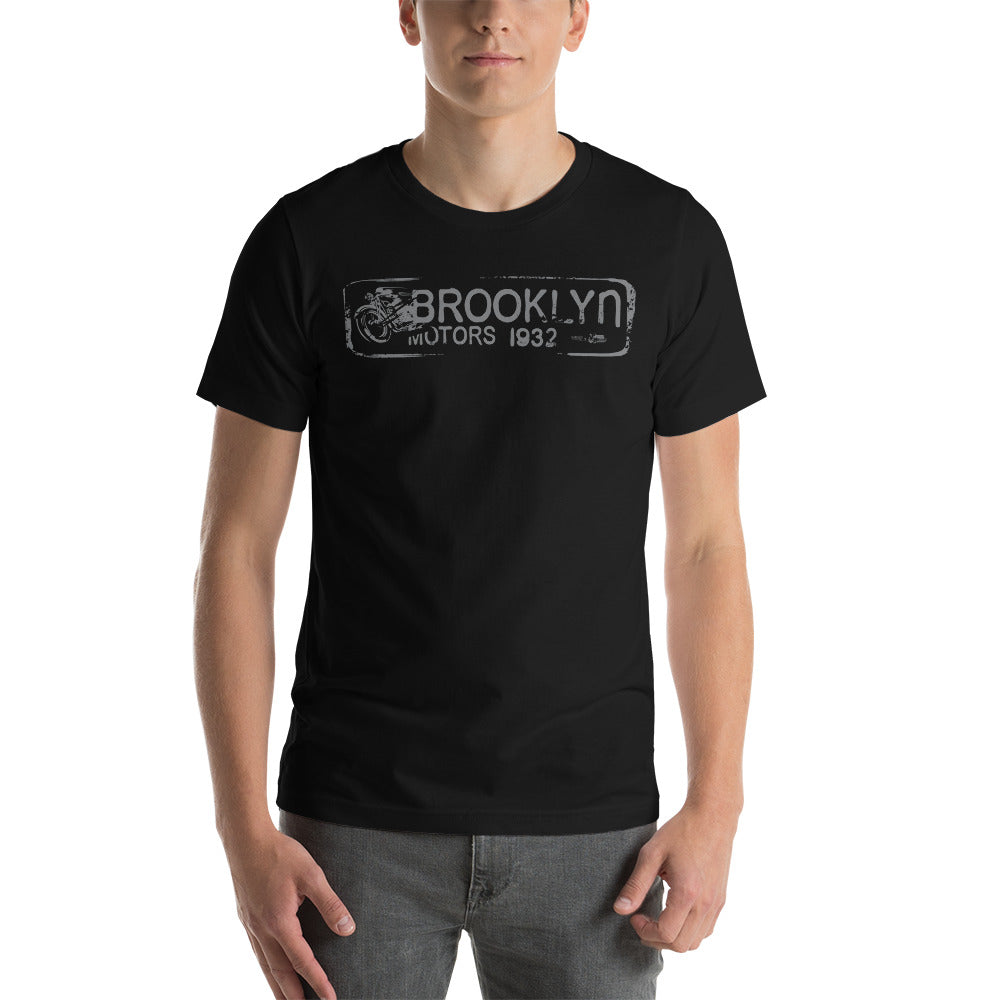
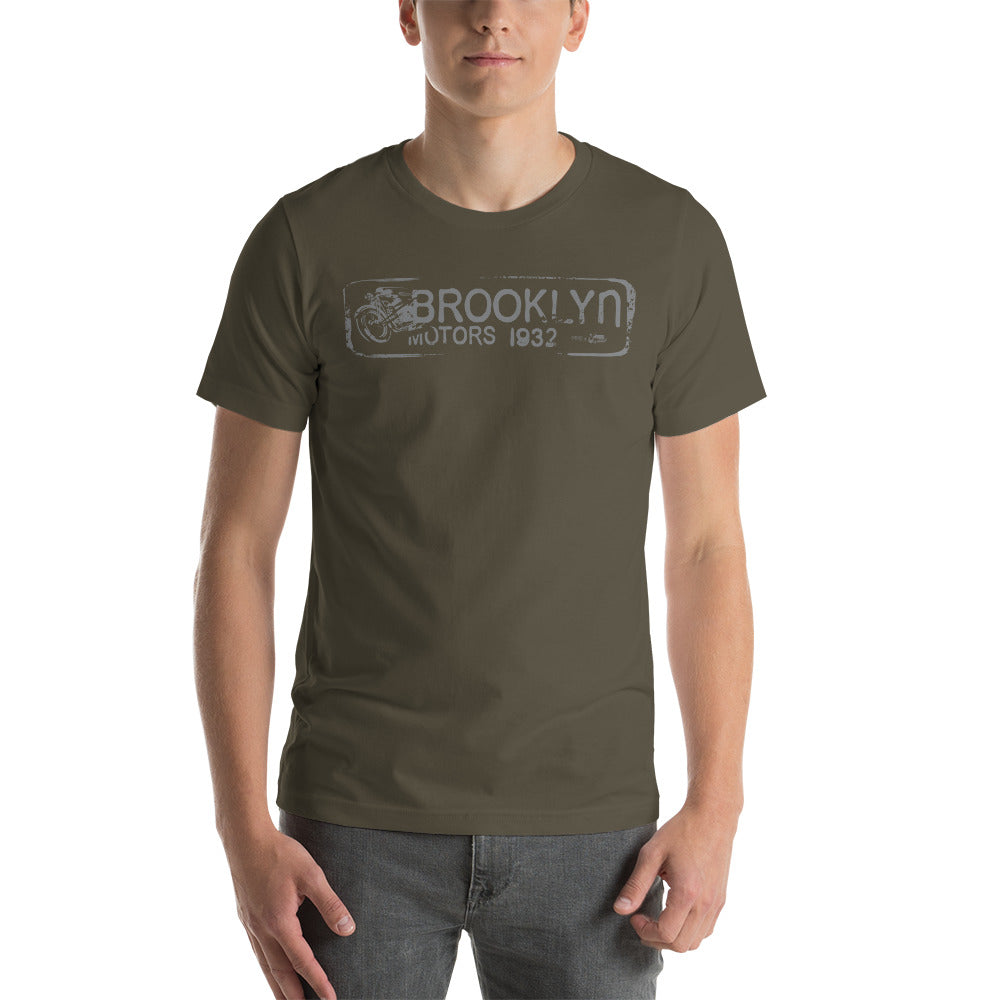
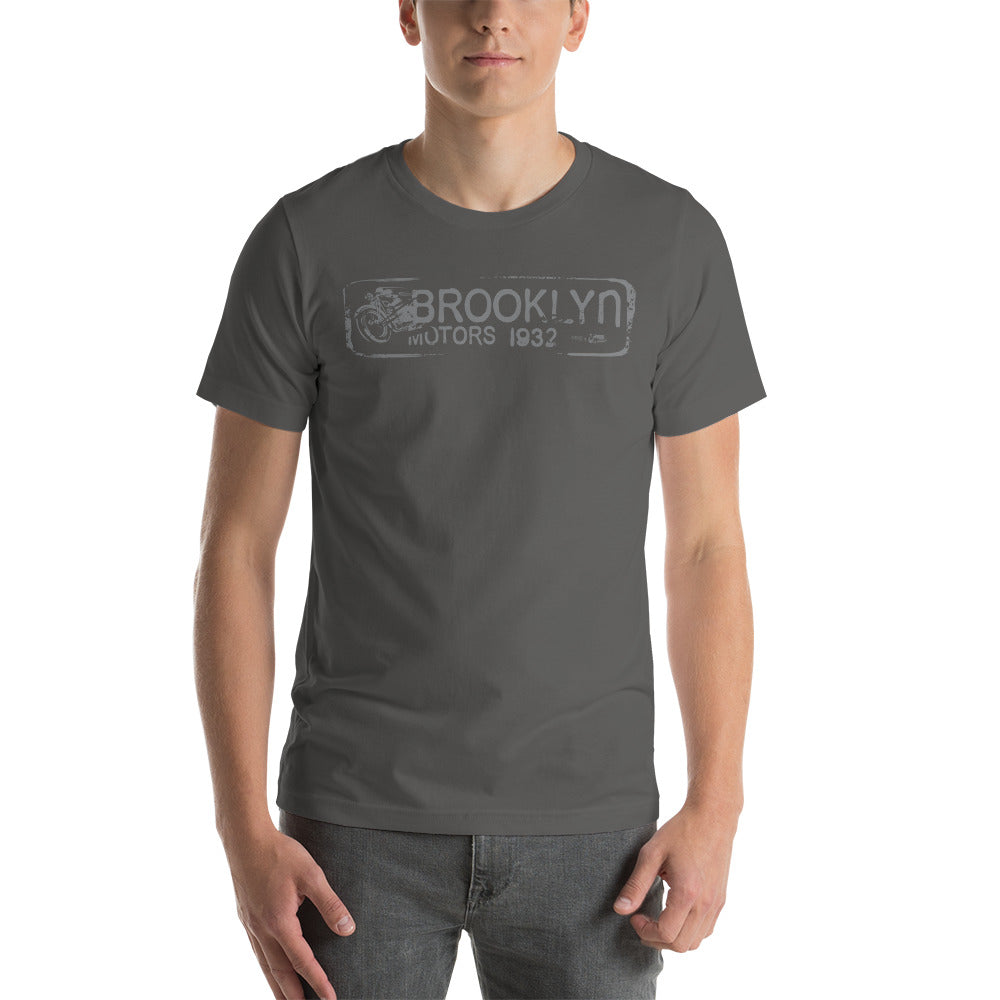
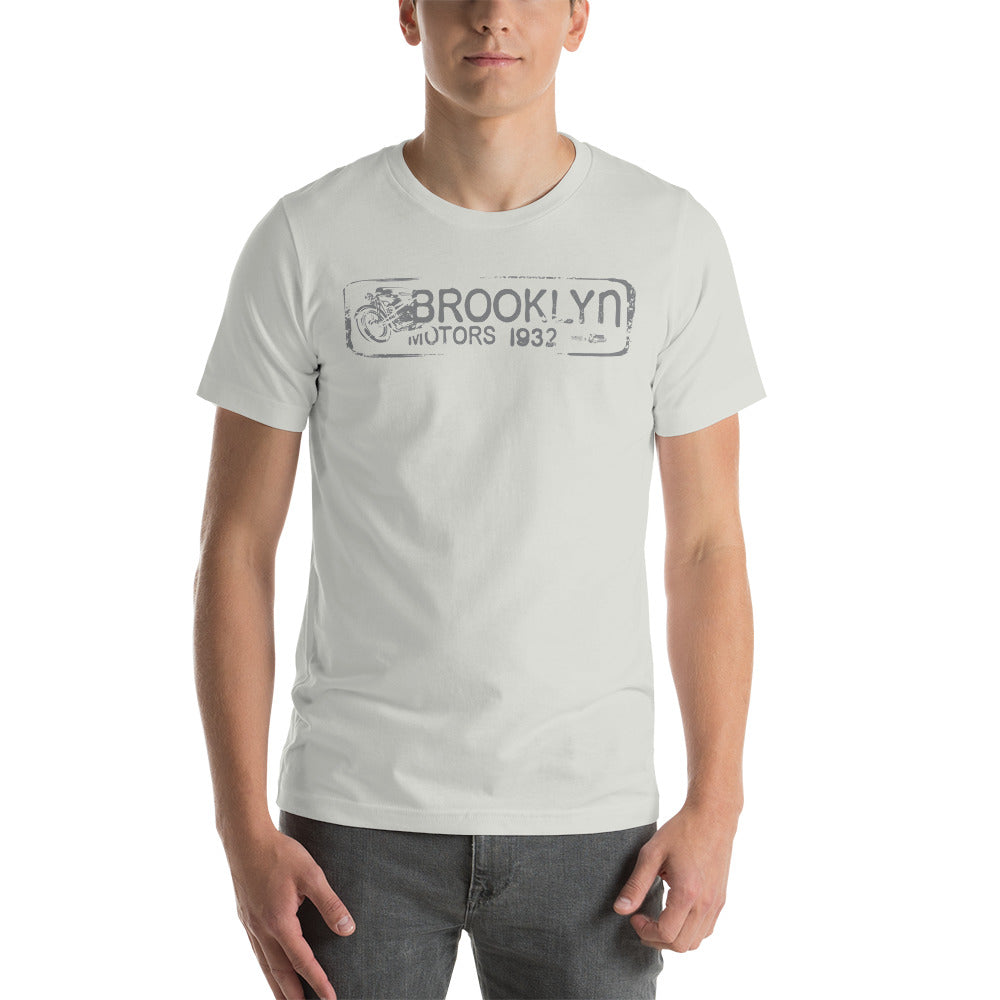
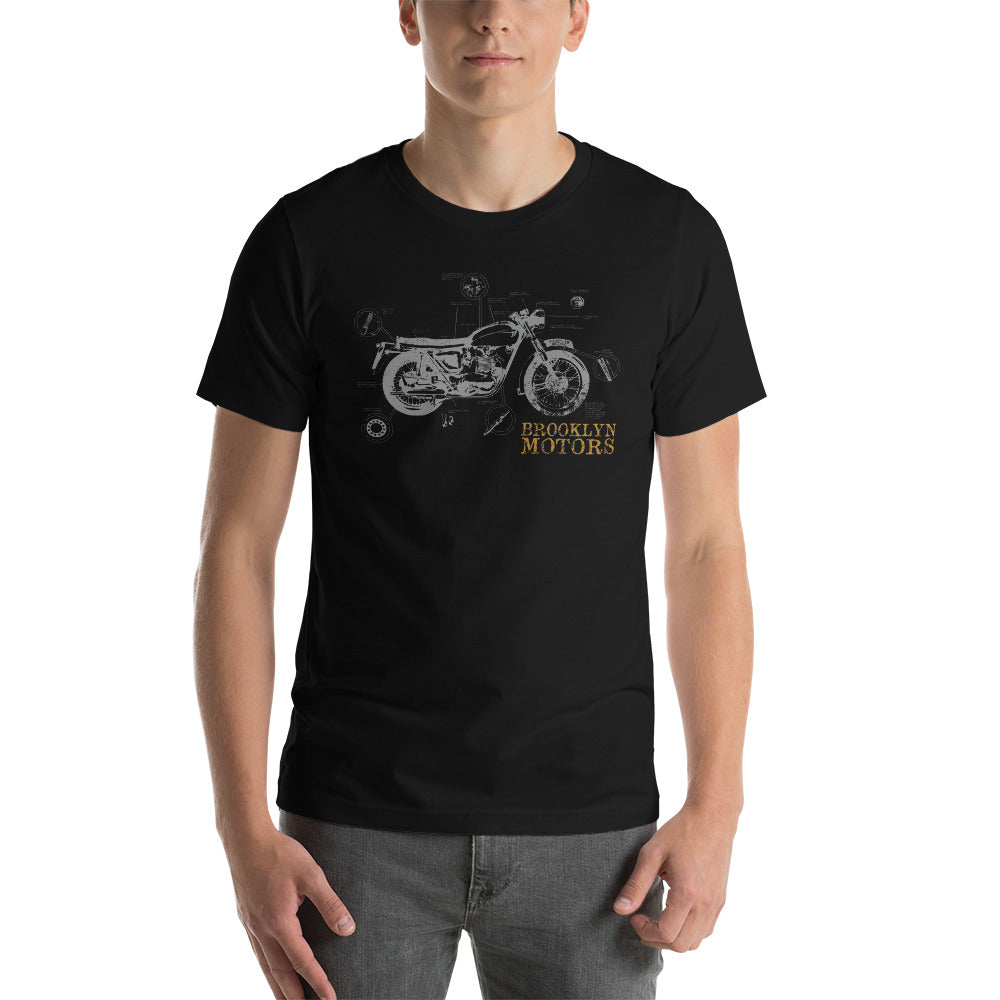
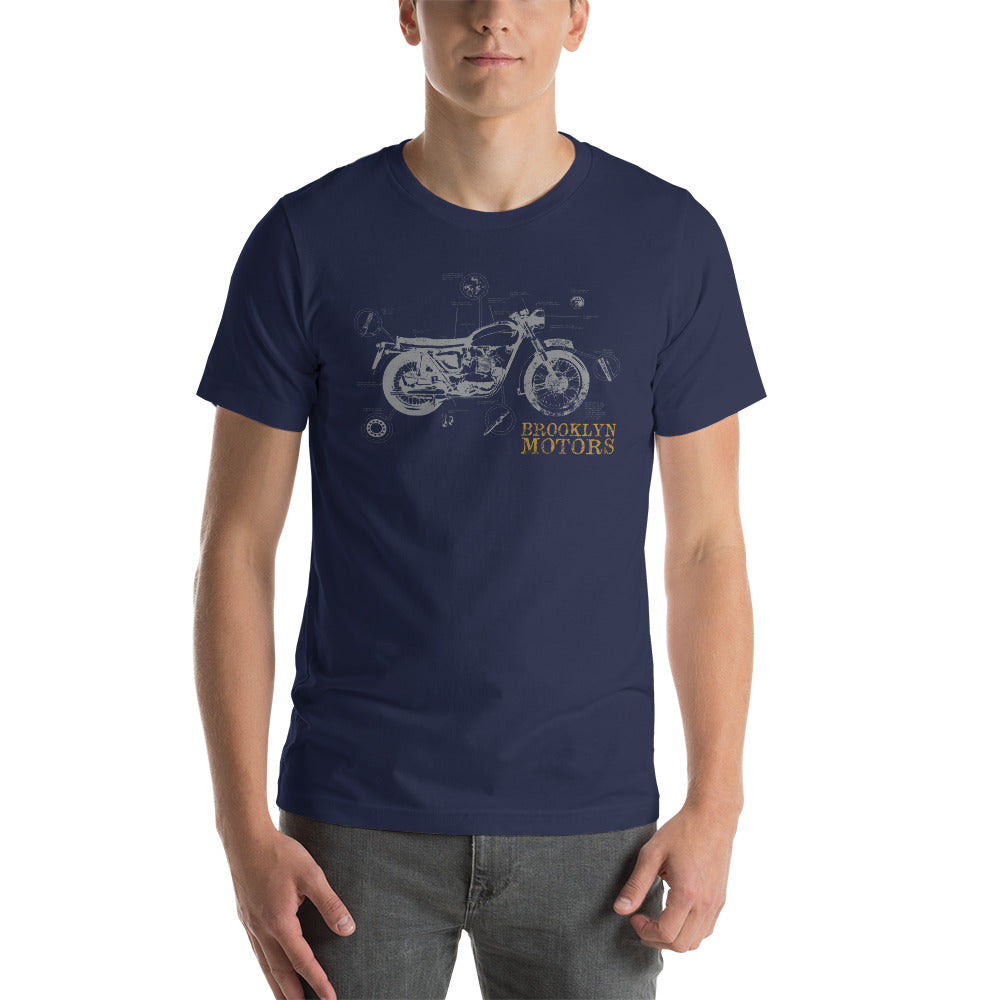
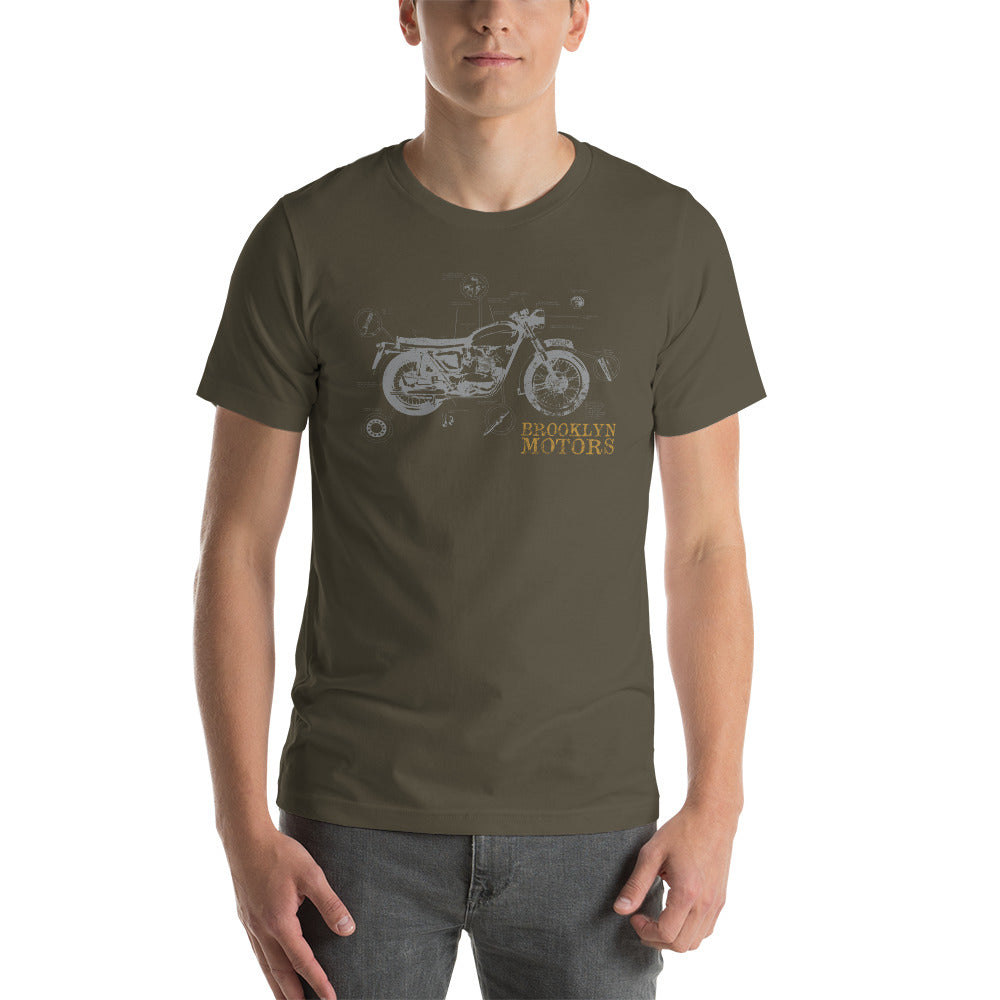
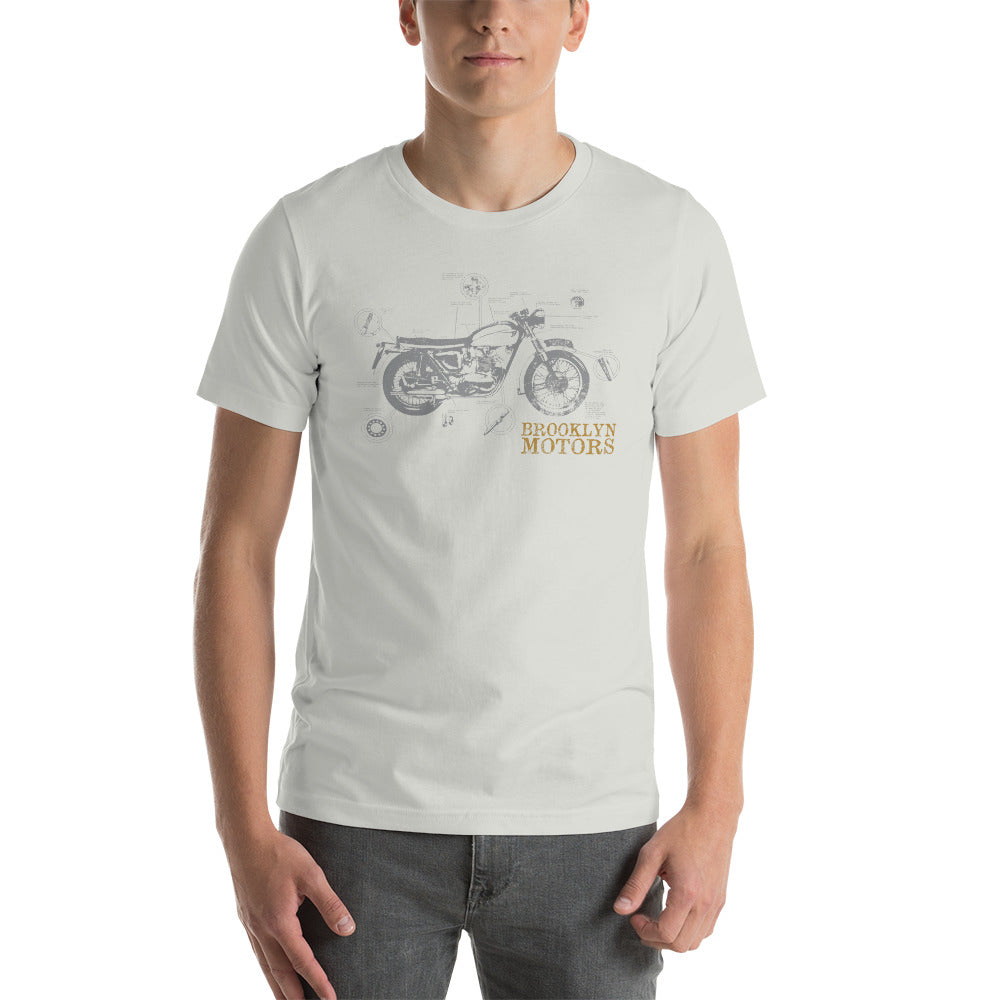
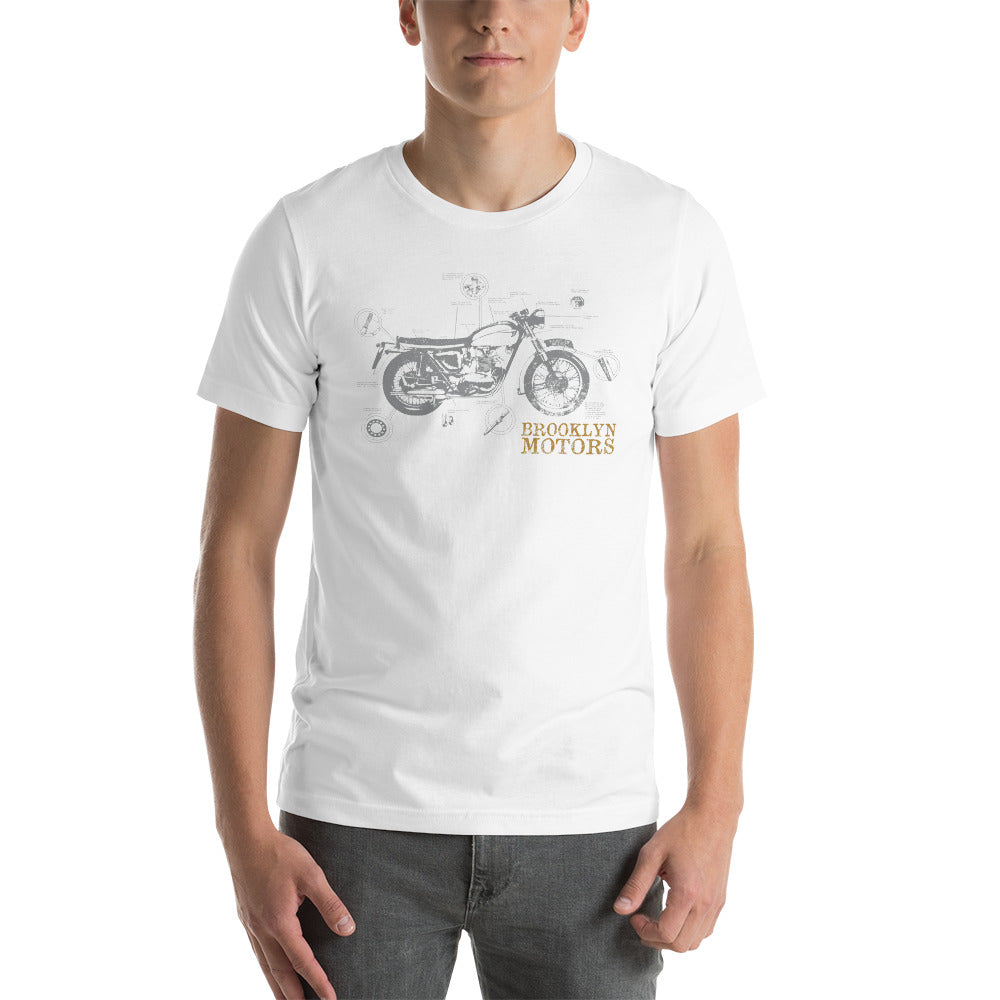
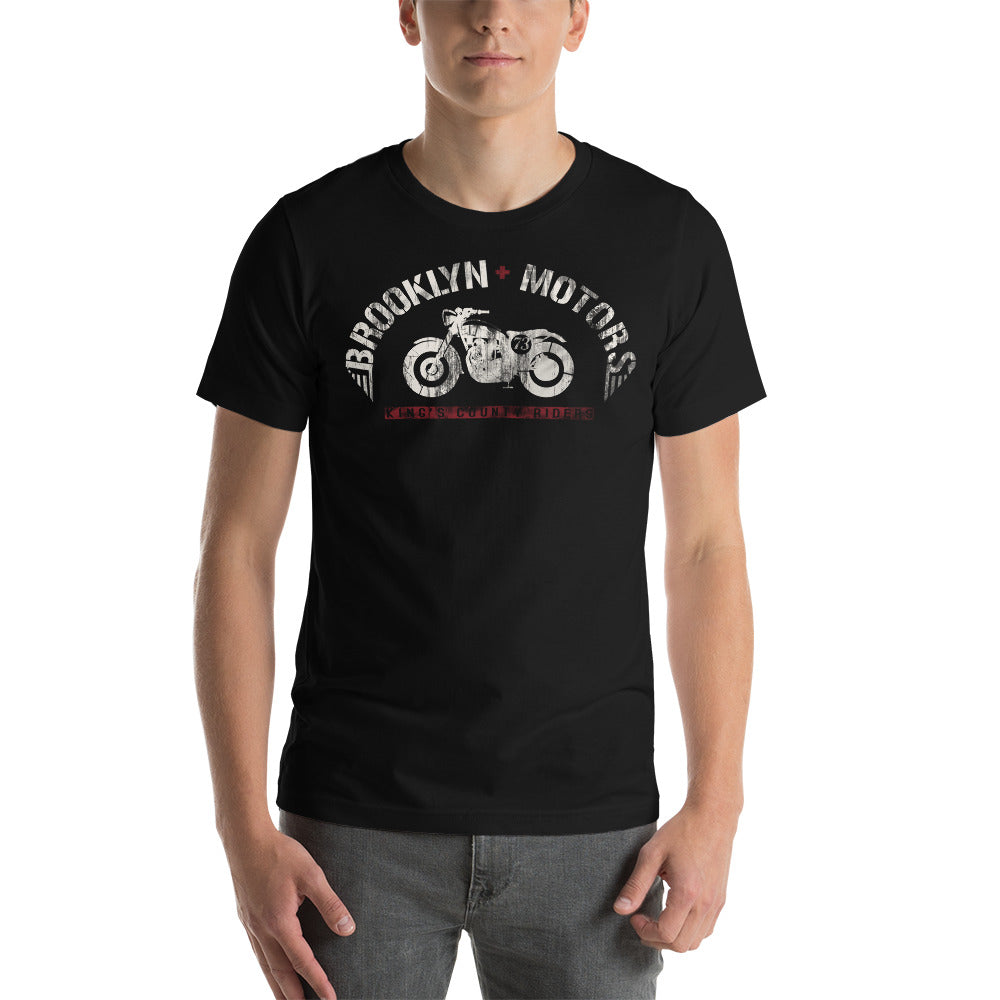
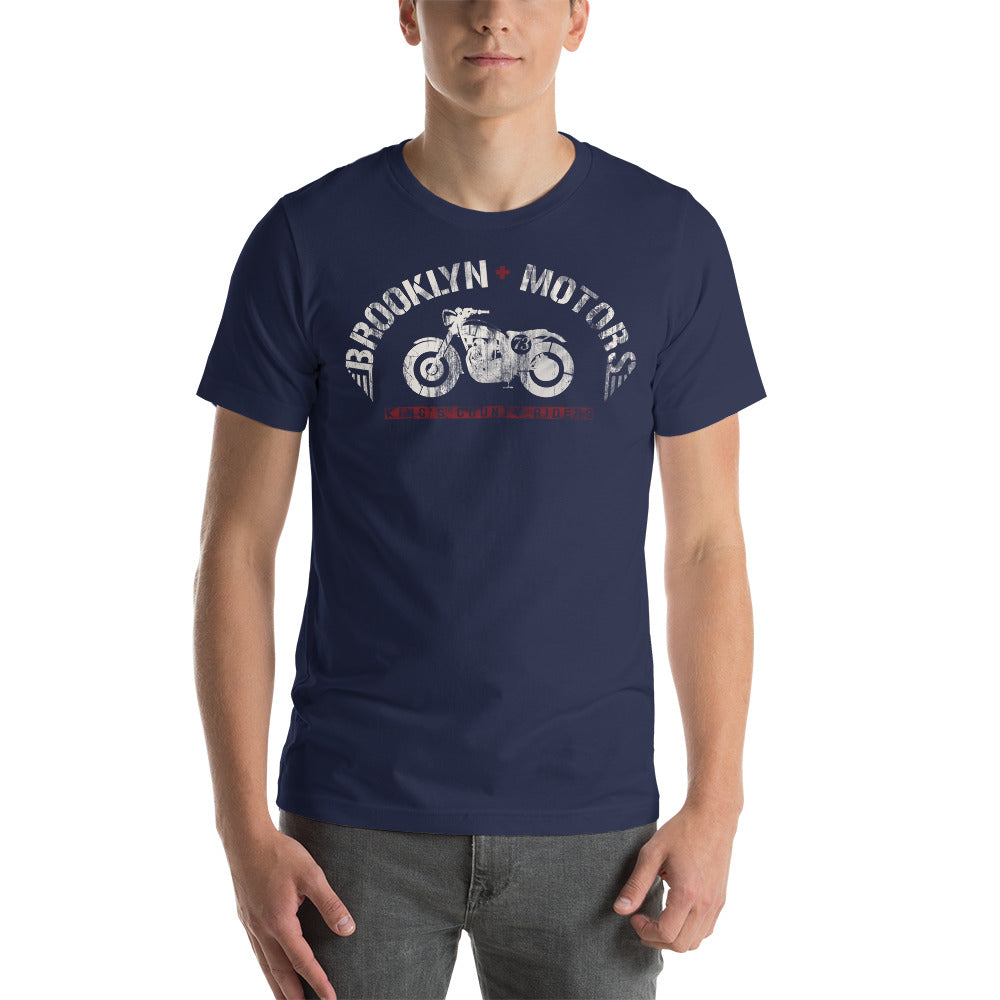
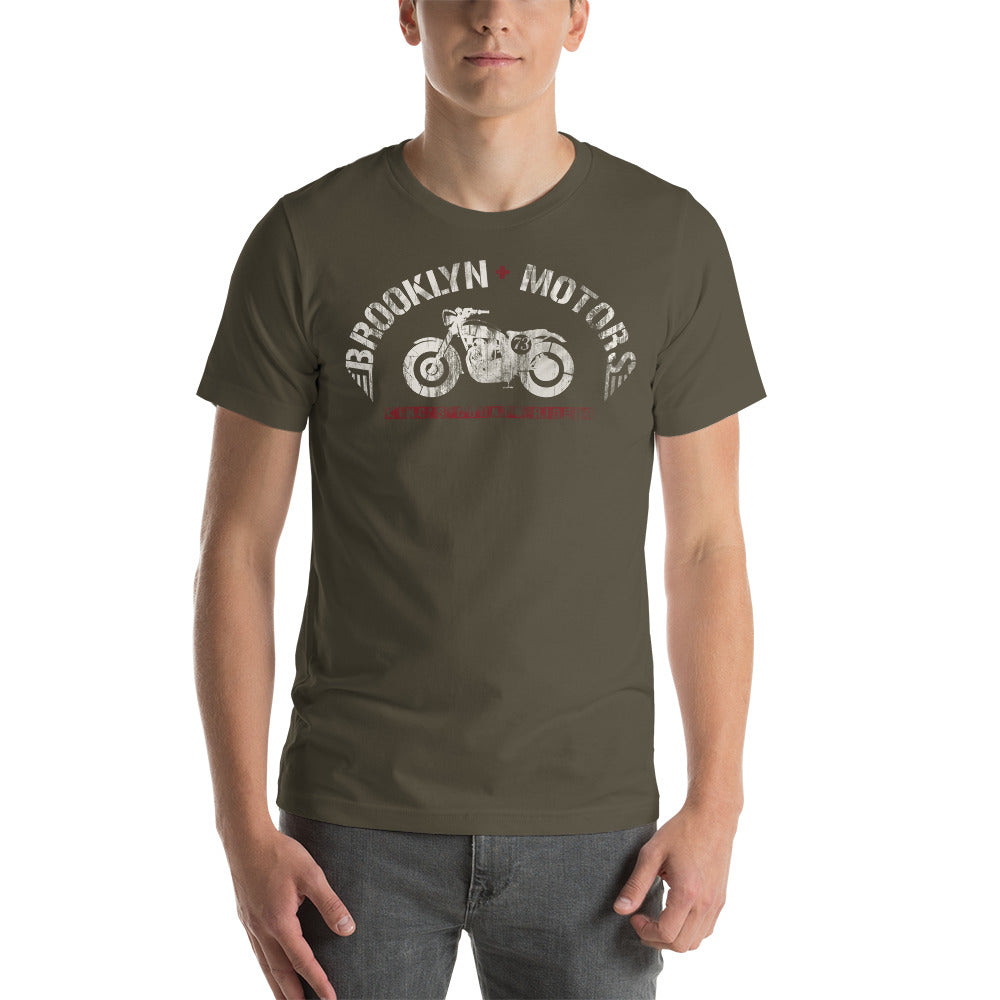
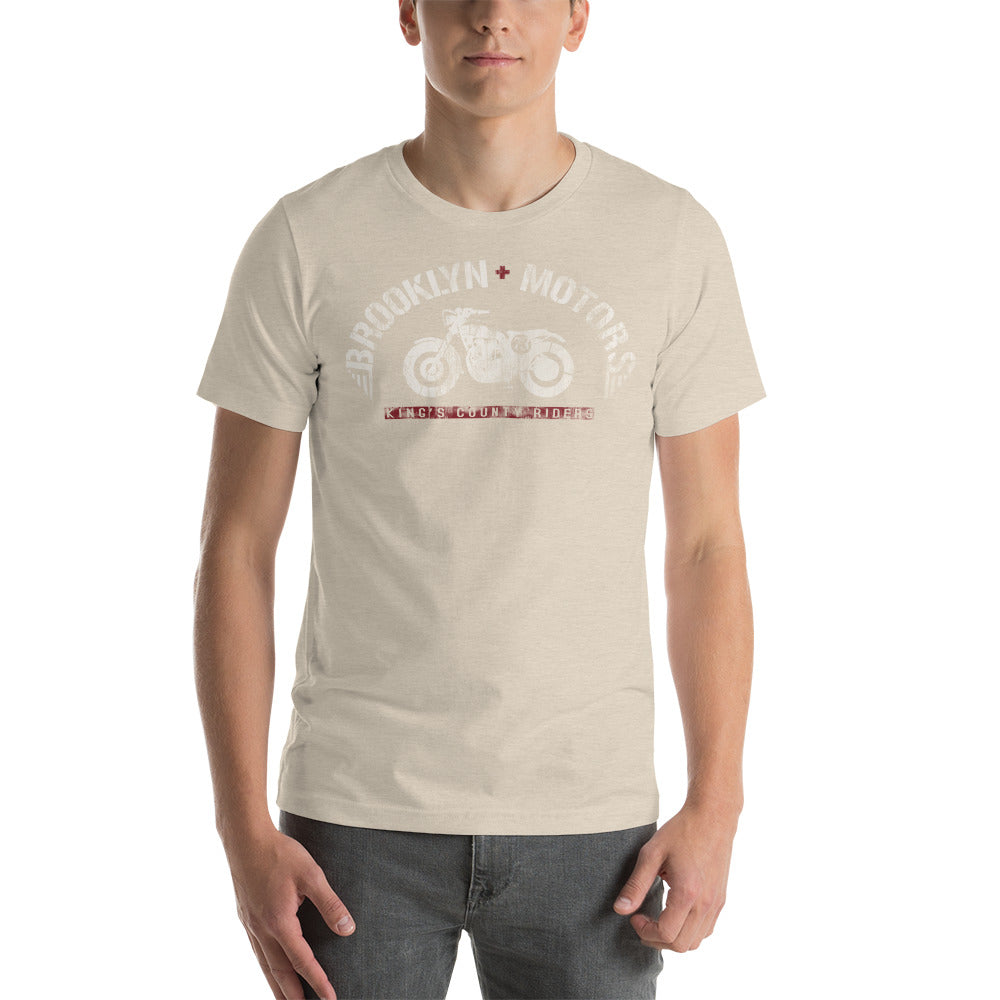
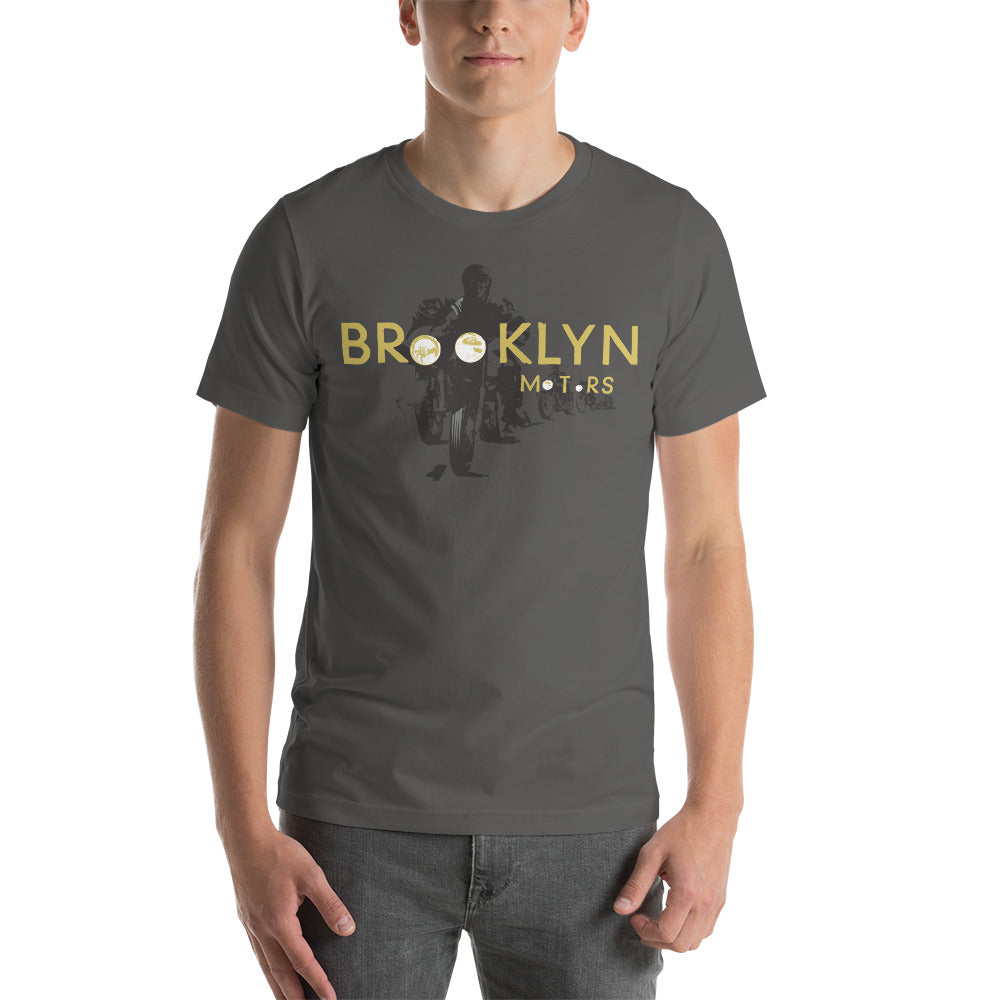
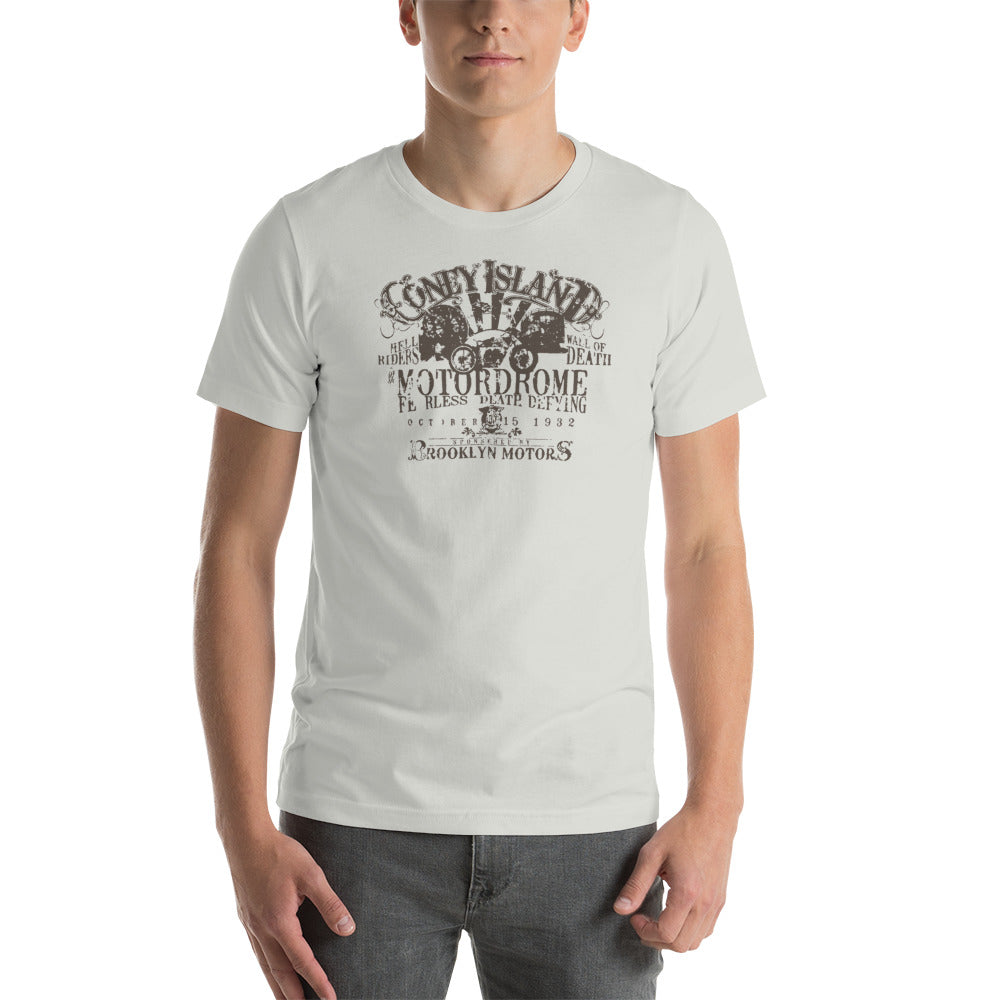
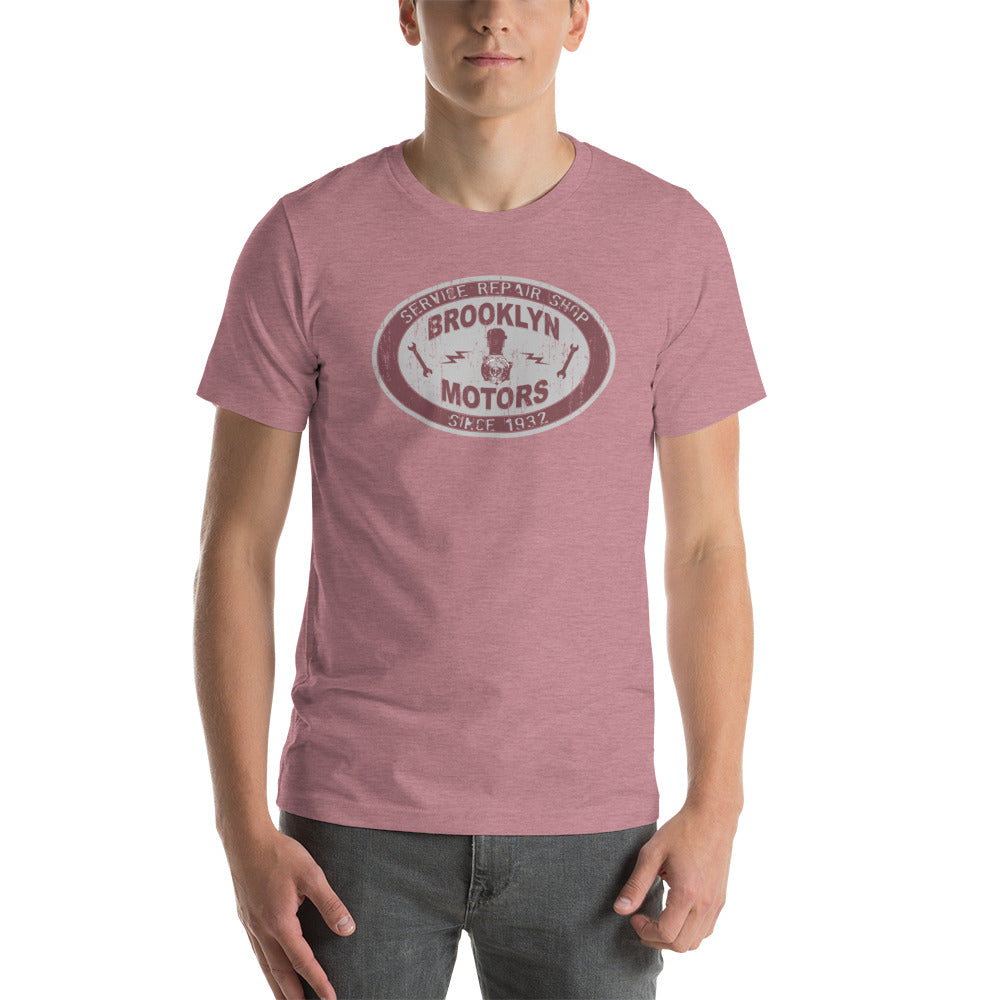
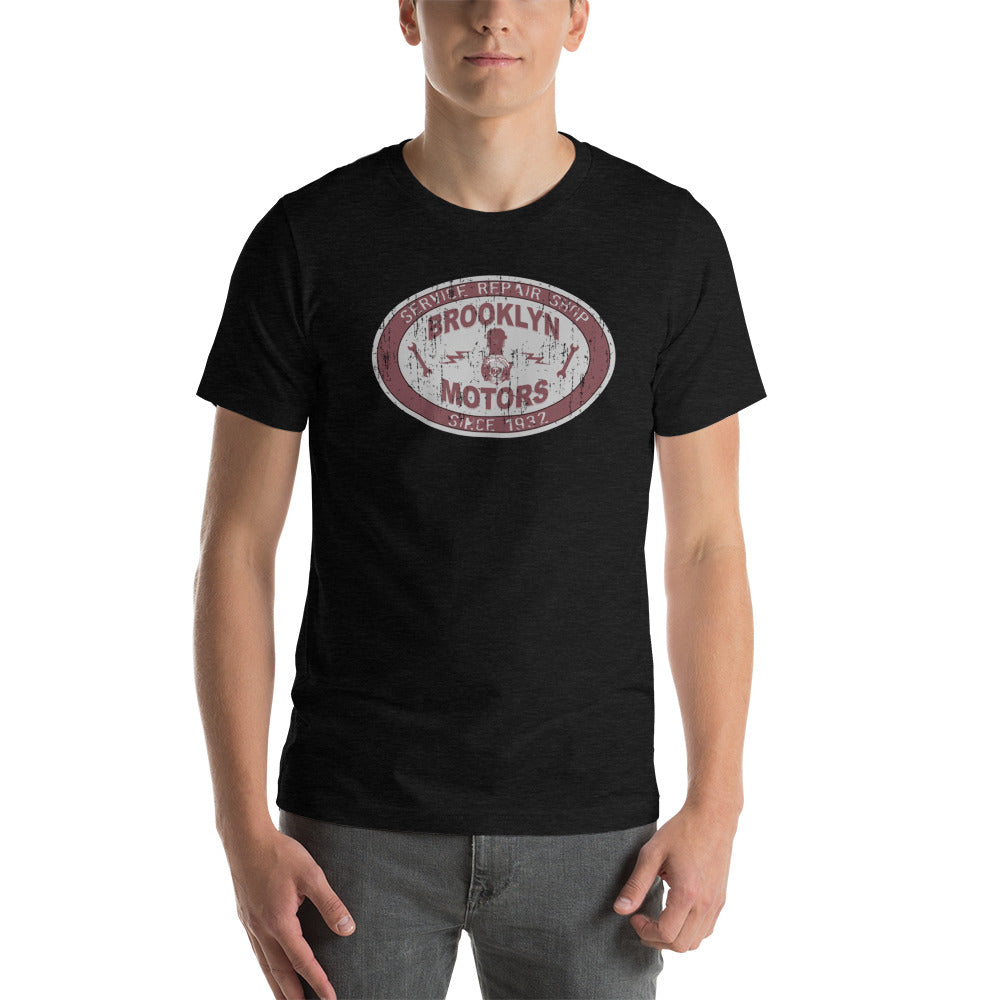
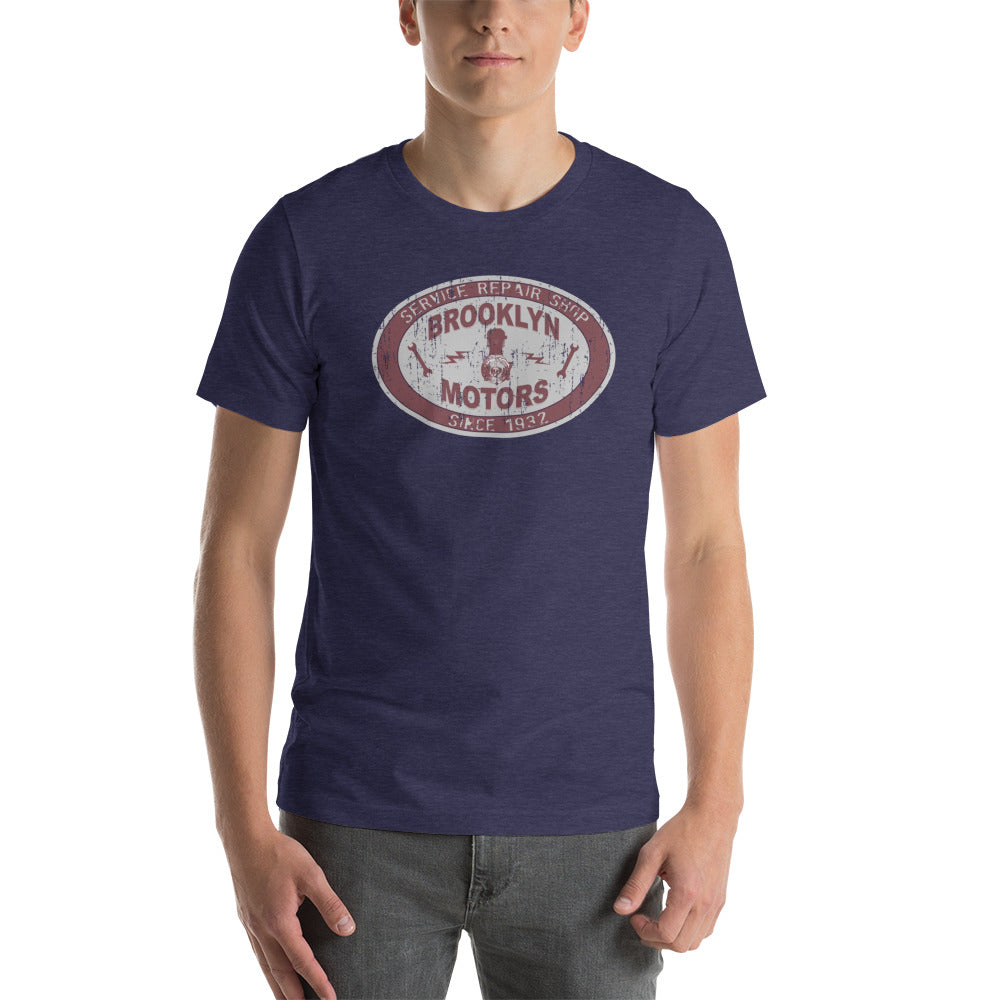
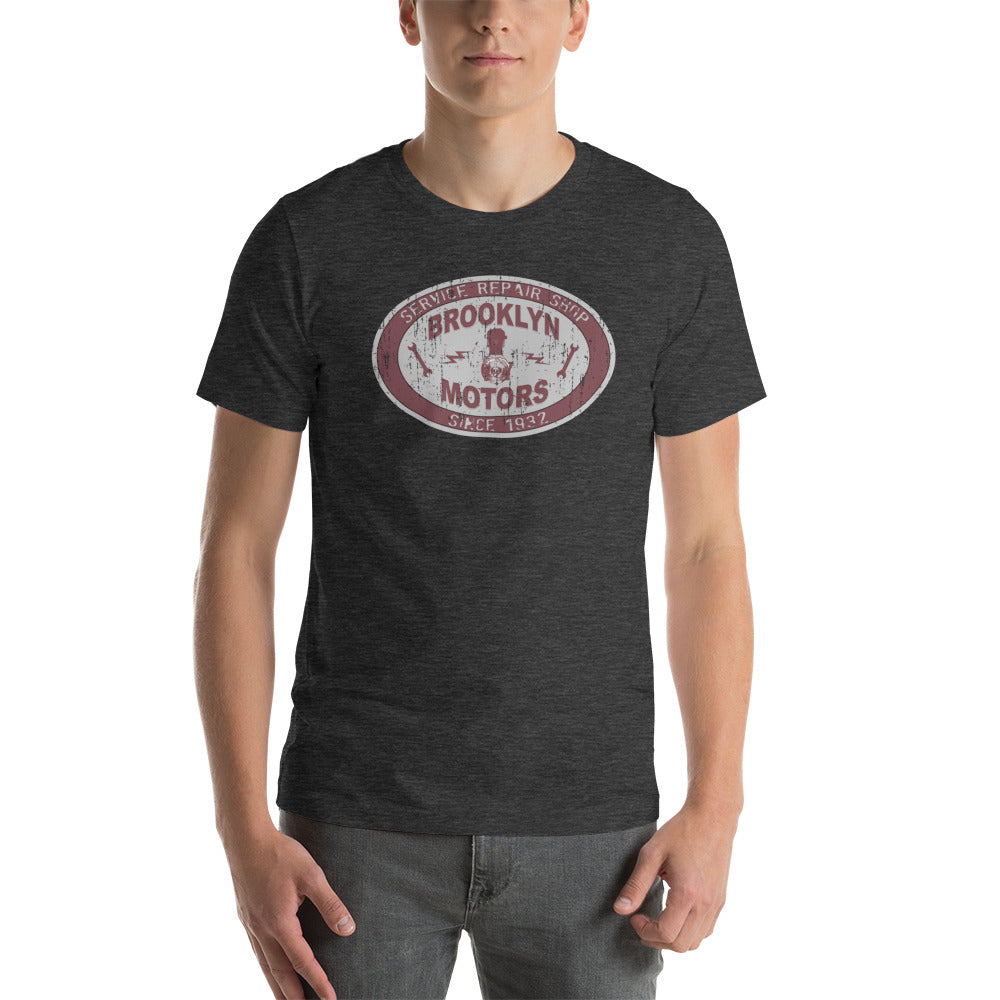
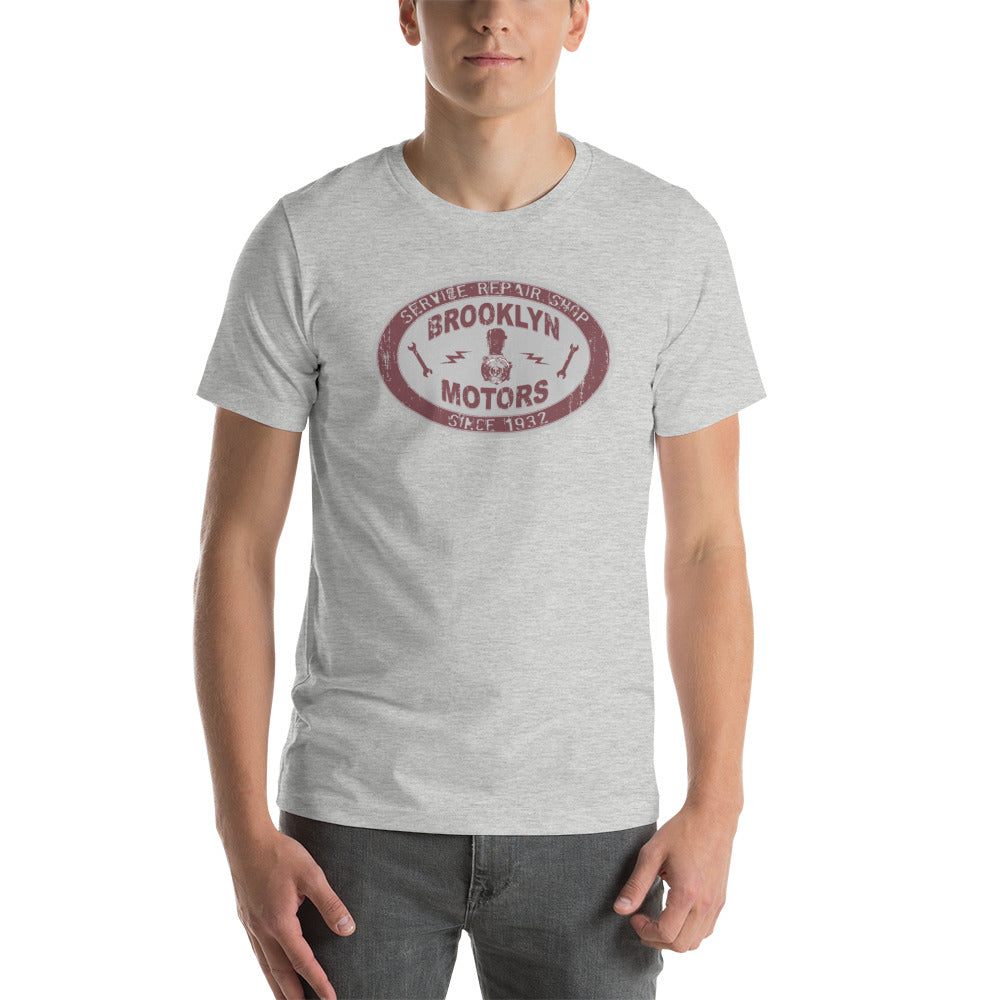
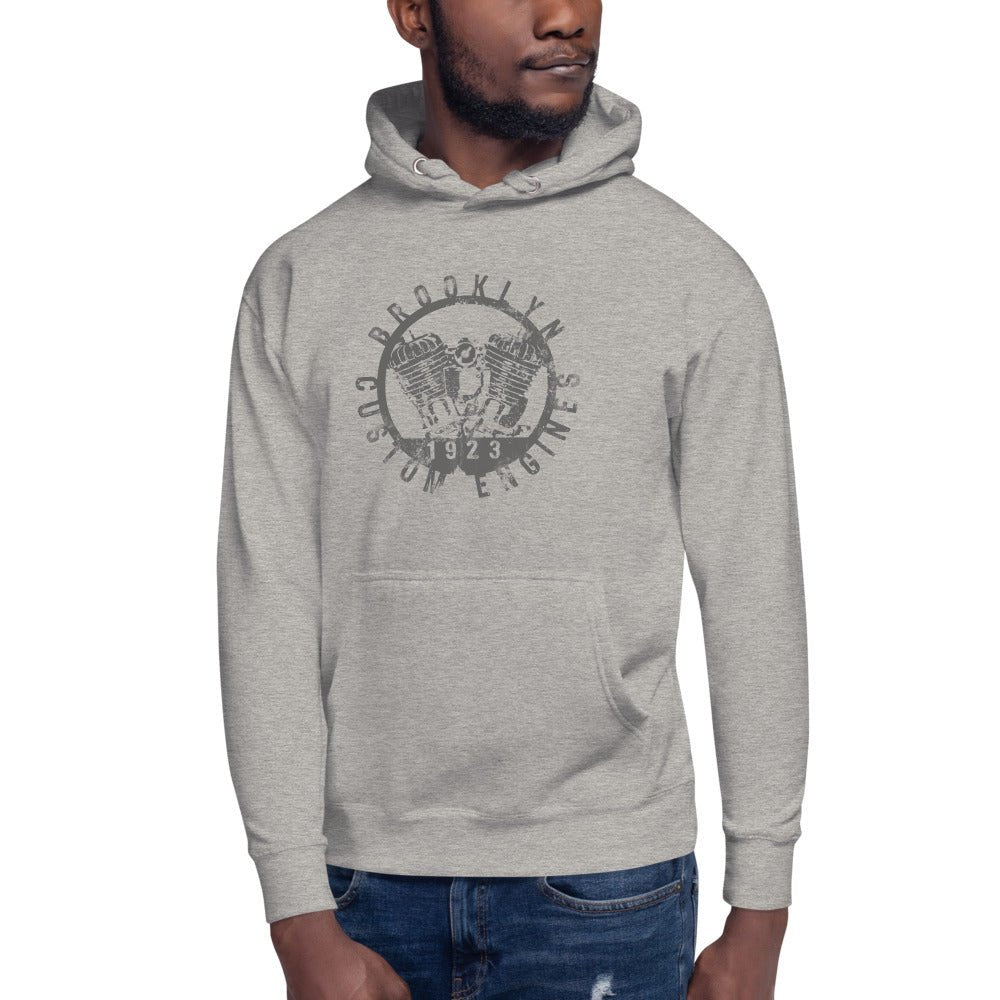
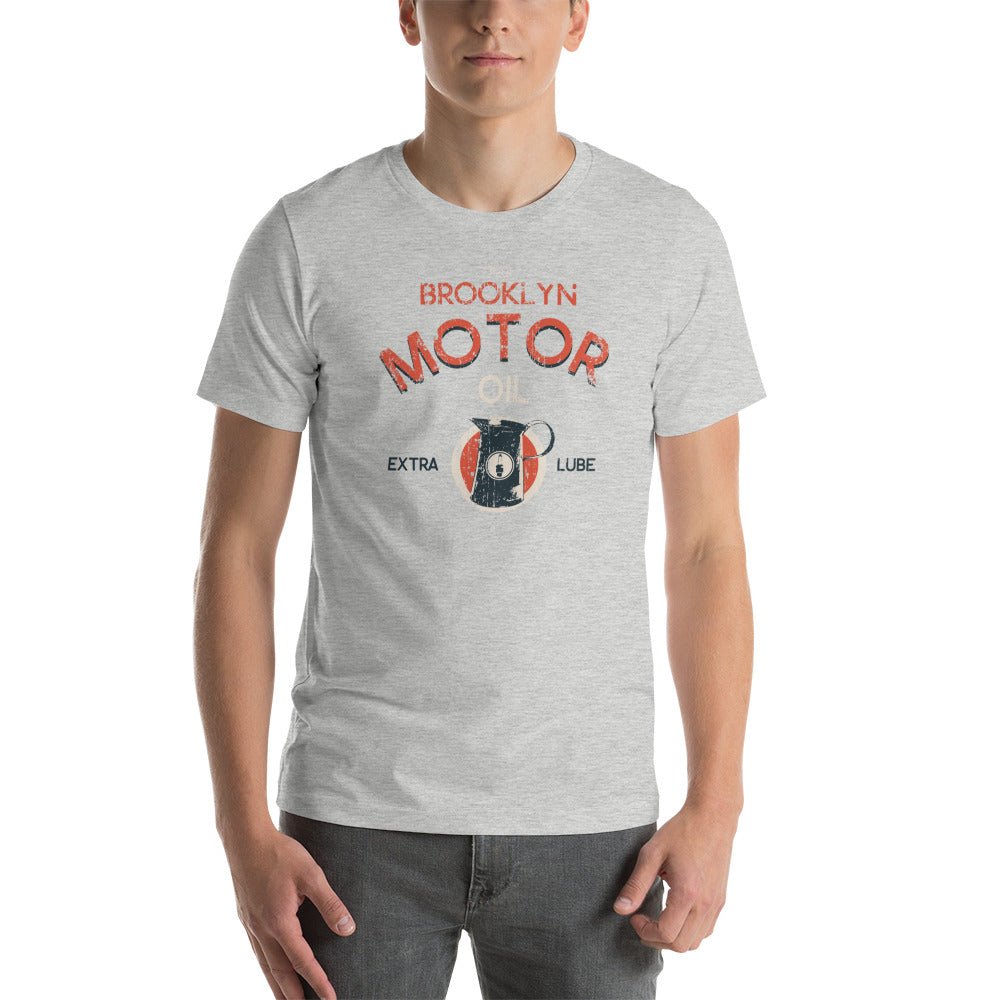
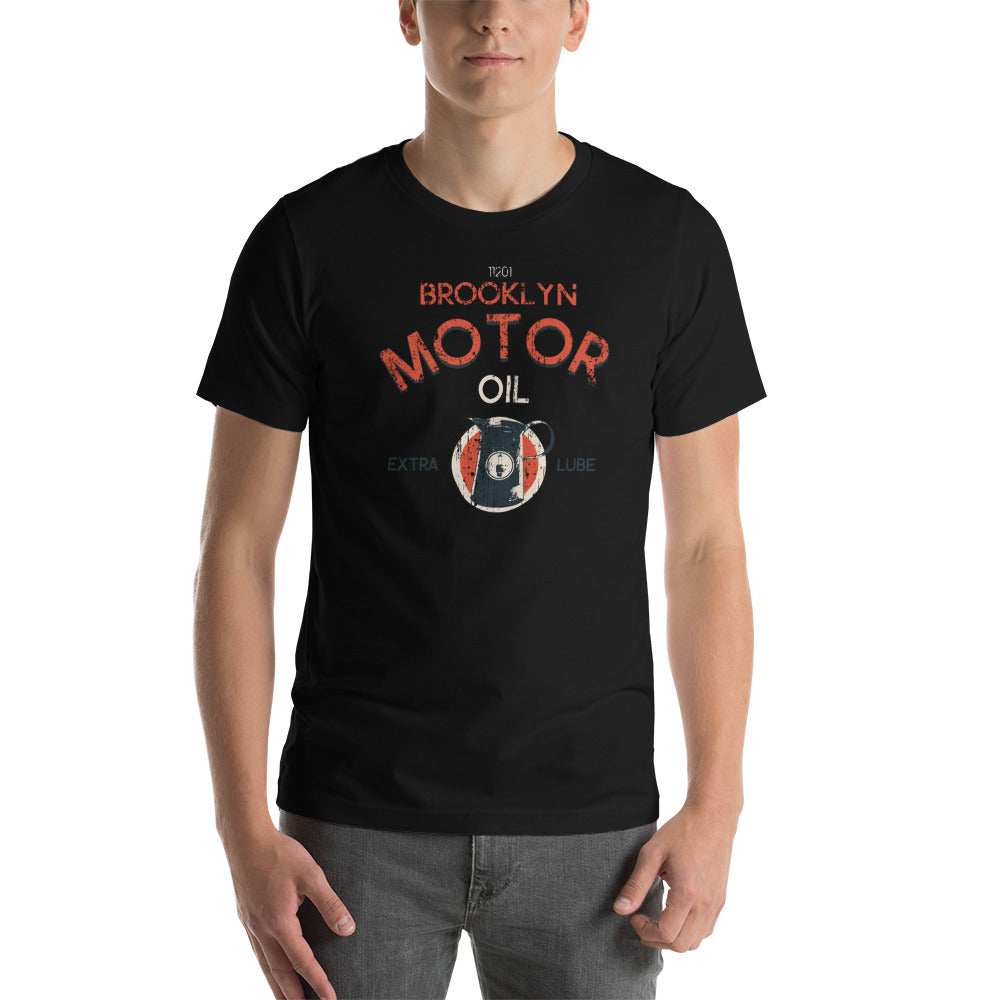
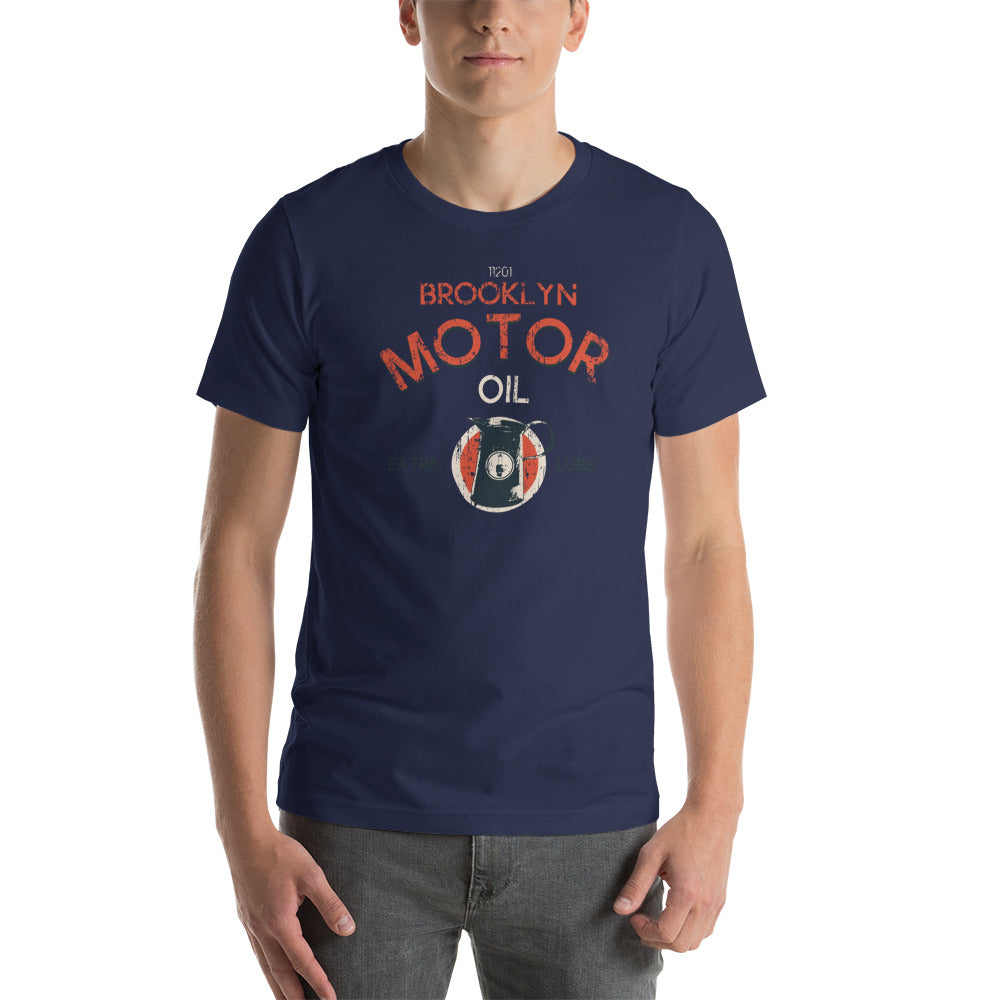
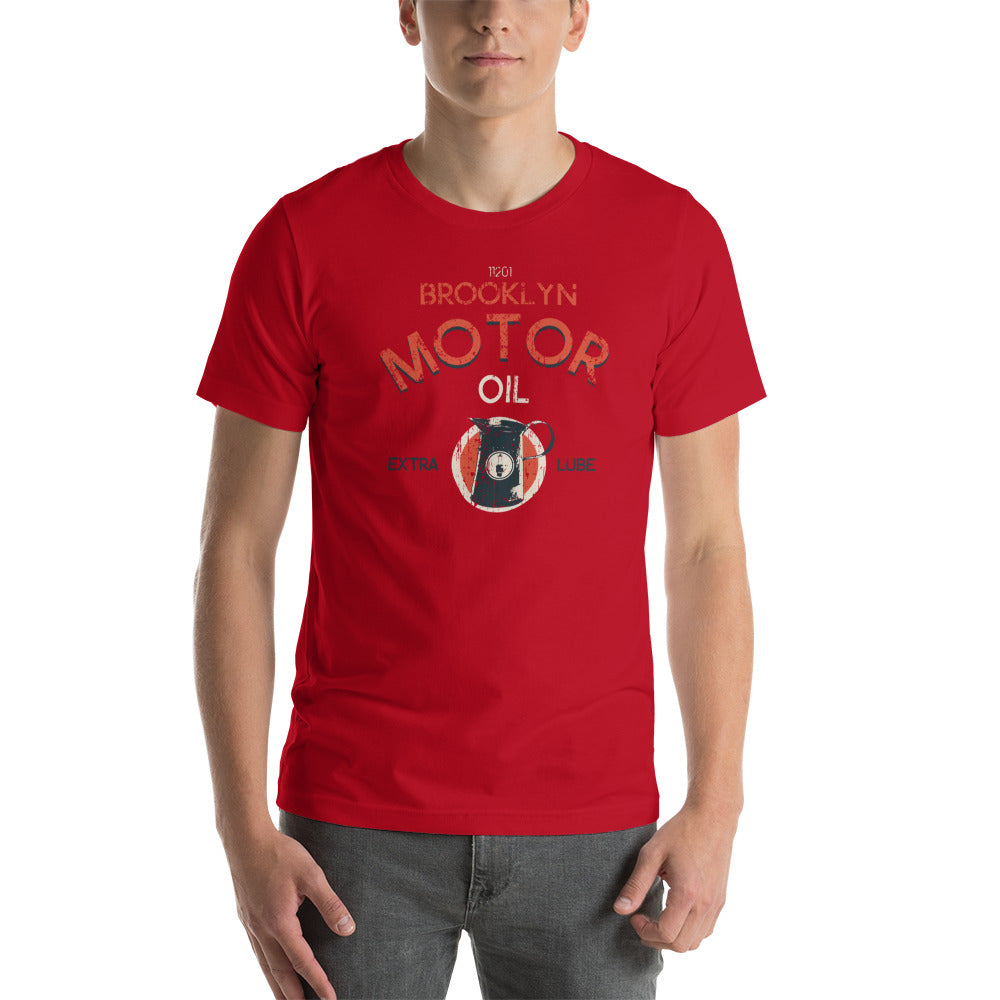
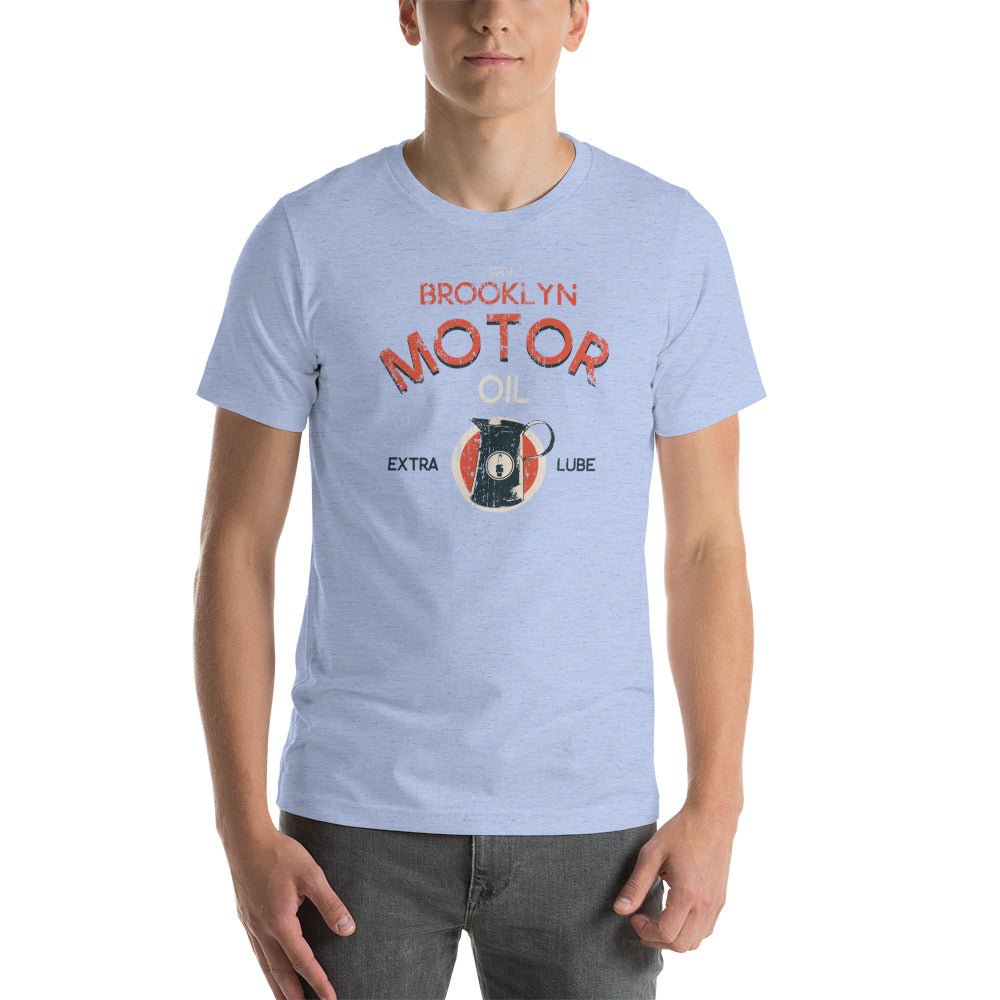
The Brooklyn T shirt East New York isn't a souvenir. It's not a hat tip to a neighborhood you drove through once.
It's a piece that says you know the history. The block associations. The community that organized itself when the city wasn't paying attention. The brownstones that have been holding the neighborhood together through every economic cycle the rest of Brooklyn forgot to include them in.
Wear it because you know what East New York built. And because the people who built it never needed anyone's permission.
Wearing It
The East New York tee pairs the way East New York moves: straightforward, no performance. Dark jeans or work pants, clean sneakers, maybe a bomber or a Carhartt depending on the season. The graphic does the work. You don't need to dress around it.
This is a tee for people who lead with where they're from. Who walk into a room and don't need to explain themselves.
East New York made its own rules because it had to. And it's been doing it long enough that it doesn't know any other way.
The Brooklyn T shirt East New York is available now at BklynMotors.com.